
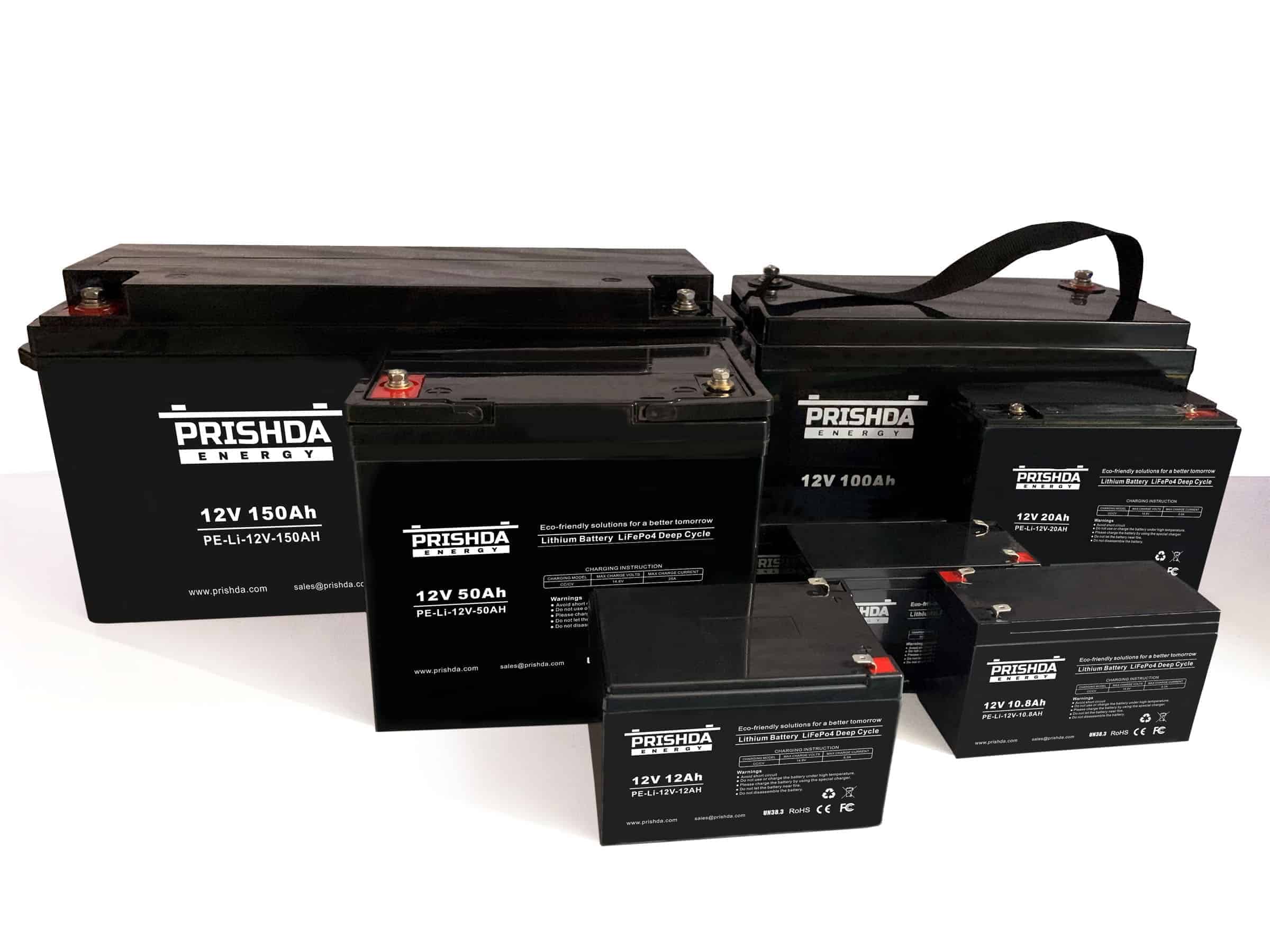
Choosing the right battery is crucial when you’re building an energy system for your RV, caravan, boat, or off-grid solar setup. Two of the most common options available are LiFePO4 (Lithium Iron Phosphate) and traditional lead-acid batteries.
At Prishda Energy, we’re proud to be one of the most trusted lithium battery suppliers in Australia, offering a full range of LiFePO4 batteries for every application. But how do you know if lithium is right for you — and how does it really stack up against lead-acid?
In this guide, we’ll dive deep into the differences between these two technologies — from performance and lifespan to charging speed, safety, and overall value — so you can make an informed choice.
What Is a Lead-Acid Battery?
Lead-acid batteries have been around for more than a century. They use lead plates and sulfuric acid to store and release electricity. While this technology is tried and tested, it comes with certain trade-offs.
These batteries are bulky, heavy, and can be sensitive to temperature and charge cycles. There are different types — like flooded, AGM, and gel — each with their pros and cons. But in general, they offer a low upfront cost at the expense of efficiency and longevity.
Lead-acid batteries still have their place, especially in starter applications or backup systems that aren’t used frequently. But for daily use or high-performance setups, the limitations become clear.
What Is a LiFePO4 Battery?
LiFePO4, short for Lithium Iron Phosphate, is one of the safest and most stable types of lithium battery technology. Unlike traditional lithium-ion chemistries, LiFePO4 is highly resistant to overheating, fire, and degradation.
They are rapidly becoming the preferred choice for modern energy systems — particularly in solar installations, marine setups, and mobile power applications like caravans and RVs.
As leading lithium iron phosphate battery suppliers in Australia, we at Prishda Energy offer everything from compact 12V lithium batteries for caravans to powerful 48V systems for home or commercial solar applications.
LiFePO4 vs. Lead-Acid: A Complete Comparison
1.) Lifespan & Durability
|
Battery Type |
Average Lifespan |
Charge Cycles |
|
Lead-Acid |
2–4 years |
300–500 cycles |
|
LiFePO4 |
8–15 years |
Over 6000+ cycles |
This is one of the biggest advantages of LiFePO4. Traditional lead-acid batteries degrade much faster, especially when deeply discharged. After just a few hundred cycles, their capacity drops significantly.
By contrast, LiFePO4 batteries can last for up to 10 years or more, even with regular use. That’s why they’re a smart investment for lifepo4 batteries for RV, solar, and marine setups — you install it once and enjoy peace of mind for years.
2.) Usable Capacity
One of the lesser-known facts is that a lead-acid battery only gives you access to about 50-60% of its total capacity. Draining it more than that shortens its lifespan and can damage it permanently.
LiFePO4 batteries, on the other hand, let you use up to 100% of their rated capacity. That means a 100Ah LiFePO4 battery gives you almost double the usable power of a 100Ah lead-acid battery.
This is crucial if you’re relying on battery power daily — for example, when running lights, a fridge, or electronics in a 12V lithium battery for a caravan.
3.) Weight & Portability
Weight matters — especially when you’re traveling or trying to save space. Lead-acid batteries are significantly heavier than their lithium counterparts.
A 100Ah lead-acid battery can weigh up to 30–35 kg, while a 100Ah LiFePO4 battery weighs around 10–13 kg. That’s a huge weight saving, especially if you’re loading several batteries into a tight compartment.
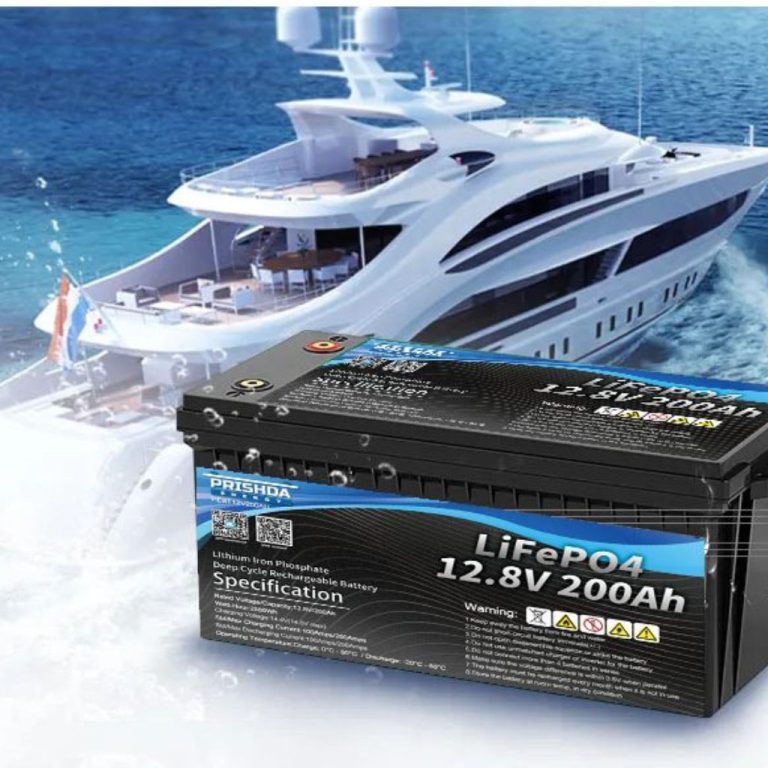
If you’re installing lithium ion batteries for boats, every kilo counts. Lighter batteries mean more room for gear and less strain on your motor — plus easier installation and handling.
4.) Charging Time & Efficiency
Lead-acid batteries are slow to charge and often need multi-stage chargers. They also lose a lot of energy as heat during the charging process, making them inefficient overall.
LiFePO4 batteries charge much faster and more efficiently. They can accept higher charge currents, which reduces downtime — especially important in solar setups where charging hours are limited.
With a LiFePO4 battery 24V or 48V system, you can quickly recharge using solar, DC-DC chargers, or inverters, and get back to using your energy without waiting all day.
5.) Long-Term Cost
While lead-acid batteries are cheaper up front, you often have to replace them every 2–3 years — especially in demanding use cases. That adds up quickly, especially when you factor in maintenance and the risk of premature failure.
LiFePO4 batteries have a higher initial cost, but they last 5–10 times longer, offer more usable capacity, and require zero maintenance. Over time, they work out to be significantly more cost-effective — particularly if you’re running a solar system or off-grid setup.
As a wholesale lithium iron phosphate battery supplier, Prishda Energy also offers cost-effective pricing for resellers and bulk buyers looking for long-term savings.
6.) Safety & Maintenance
Lead-acid batteries can be dangerous if not maintained properly. They may emit hydrogen gas while charging, require regular water top-ups (in the case of flooded cells), and are prone to corrosion and acid leaks.
LiFePO4 batteries are inherently safer. They don’t release toxic gases, don’t spill, and don’t require any maintenance. They also have built-in Battery Management Systems (BMS) to protect against overcharging, over-discharging, short circuits, and temperature extremes.
This is especially important for mobile and remote setups, where safety and ease of use are essential.
Final Verdict: Which Battery is Right for You?
If you need a battery that:
- Offers long-lasting, reliable energy
- Weighs less and saves space
- Charges faster and works better with solar
- Delivers more usable capacity
- Is safer and maintenance-free
Then the LiFePO4 Battery is the clear winner. From lifepo4 batteries for RV and caravans to lithium-ion batteries for boats and full solar energy systems, LiFePO4 batteries offer unbeatable performance and value.
Power Your Life with Prishda Energy
At Prishda Energy, we specialise in high-performance, Australian-tested LiFePO4 batteries and wholesale LiFePO4 battery cells. Our range includes:
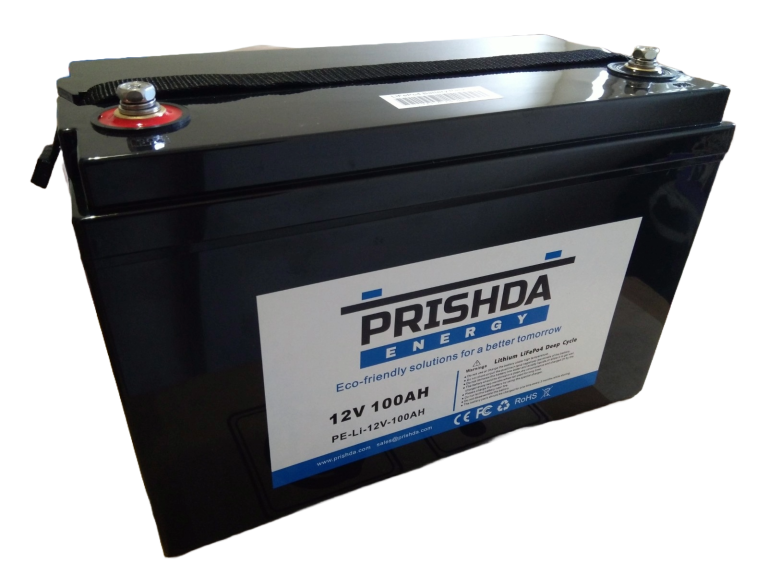
- LiFePO4 Battery 12V – for caravans, 4WDs, boats
- LiFePO4 Battery 24V & 48V – for solar and commercial setups
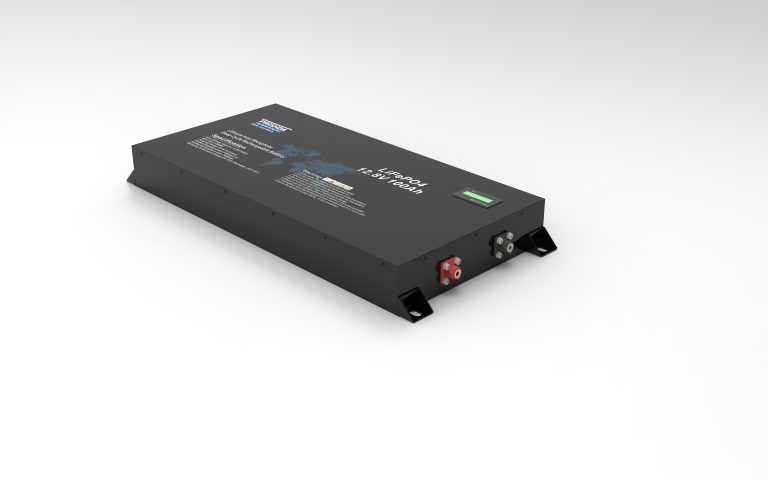
- Slimline lithium batteries – for space-saving installations
- Bulk A-grade prismatic cells – for custom builds and large projects
We’re here to help you find the perfect energy solution — whether you’re hitting the road, sailing the coast, or powering your home with solar.