20ft 2MWh Outdoor Liquid-Cooling lithium-ion battery storage container
20ft 2MWh Outdoor Liquid-Cooled Li-ion Battery Container: Advanced thermal management, weatherproof design. Ideal for renewables, grid support, and peak shaving. Maximise safety & ROI.
Description
Advanced Outdoor Containerised BESS Solution
This system utilises an advanced outdoor containerised Battery Energy Storage System (BESS) featuring high-quality LFP (LiFePO₄) battery cells, an intelligent Battery Management System (BMS), and integrated group control technology. It ensures safe, reliable, and stable power delivery — providing a comprehensive and efficient energy storage solution.
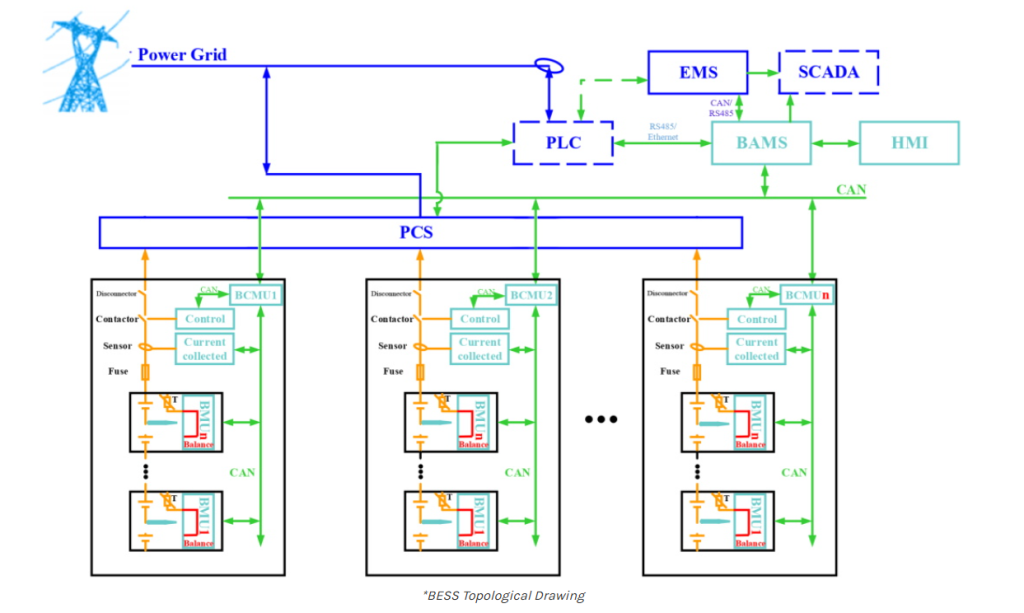
The BESS topology illustrates the overall system design and the interconnection between AC, DC, and control sections. In the DC section, each battery bank consists of multiple racks configured according to system requirements, with each bank typically connected to a single Power Conversion System (PCS). Multiple PCS units combined with corresponding battery banks form the complete BESS architecture.
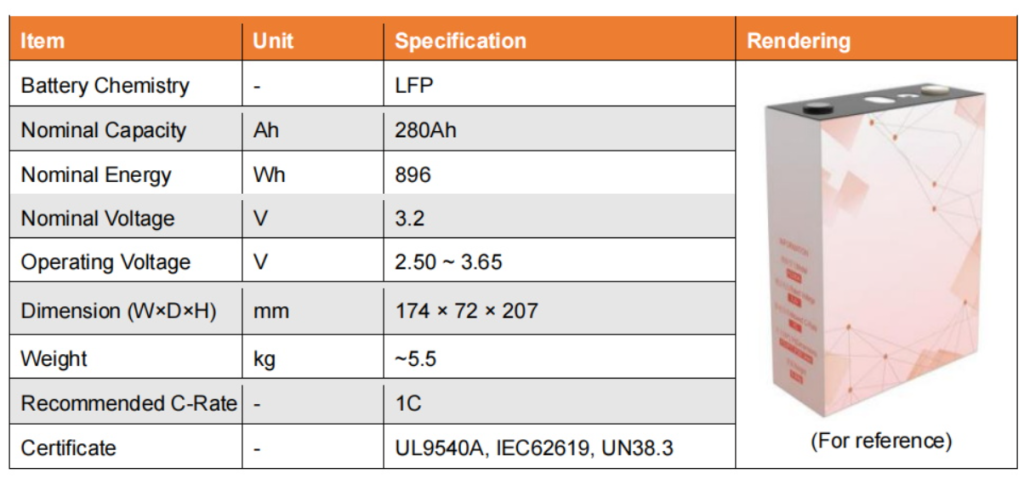
LiFePO₄ Battery Cell
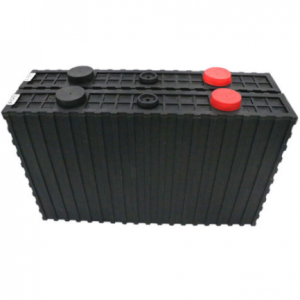
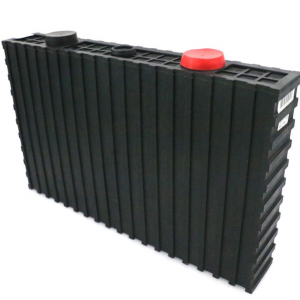
The LiFePO₄ battery cell serves as the core unit of a lithium iron phosphate battery system. It comprises positive and negative electrodes along with an electrolyte, featuring a rated voltage of 3.2 V and a rated capacity of 280 Ah.
Narada utilises advanced LFP chemistry technology, offering a cost-effective solution with high energy efficiency, excellent reliability, and superior safety performance. Each cell is enclosed in a durable aluminium casing, ensuring enhanced mechanical strength, corrosion resistance, and long service life.
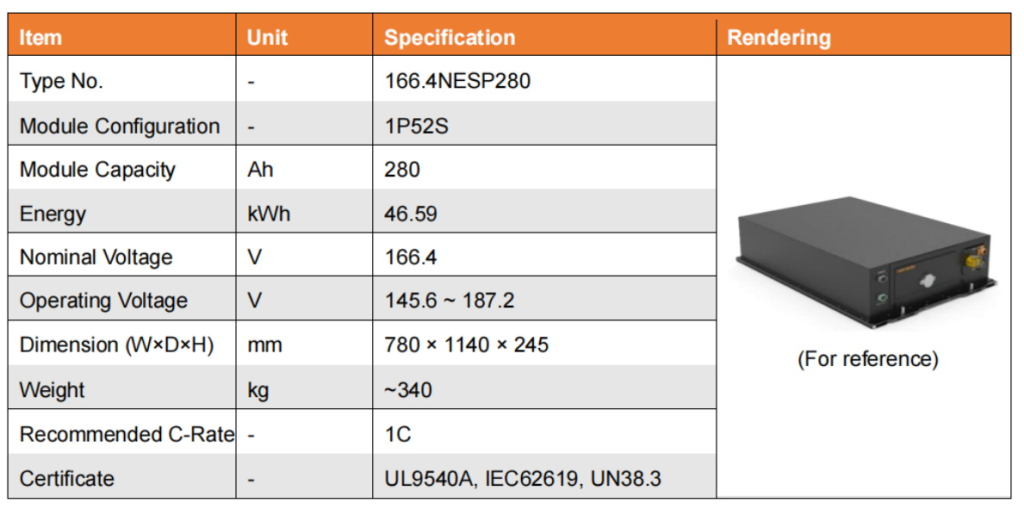
Battery Module
Each battery module is composed of multiple cells arranged in a 1P52S configuration, providing a rated voltage of 166.4 V and a rated capacity of 280 Ah. The module and Battery Management System (BMS) follow a standardised modular design, ensuring compatibility and scalability across different system architectures.
With its flexible configuration, multiple battery modules can be connected in series to expand both voltage and capacity as required. Each module is independently designed for easy installation, maintenance, and system integration, delivering reliability and versatility for a wide range of energy storage applications.
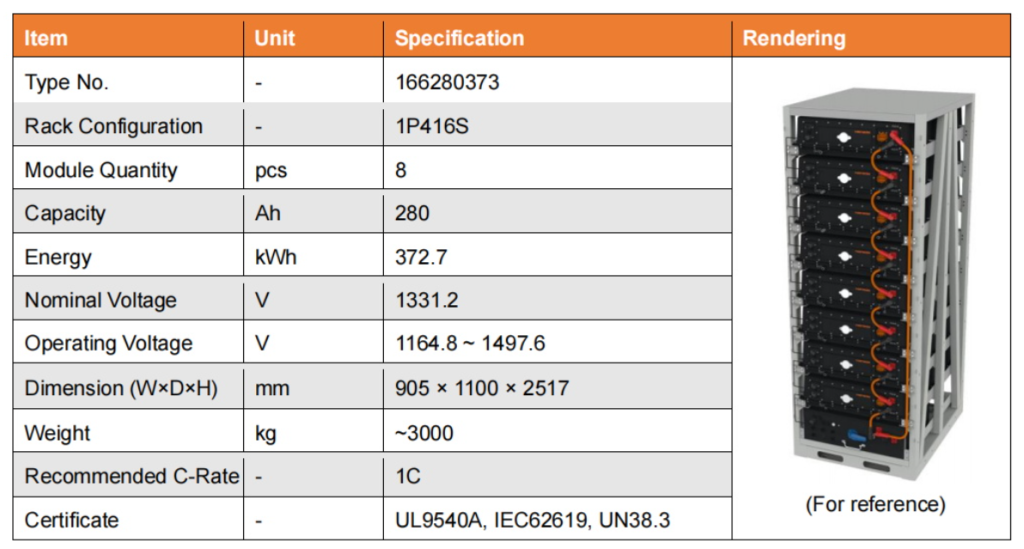
Battery Rack
A battery rack is formed by connecting multiple battery modules and a control box in series through high-current electrical connectors. The rack delivers a rated voltage of up to 1331.2 V and a rated capacity of 280 Ah, enabling high energy output and system scalability.
Each rack consists of 8 battery modules and 1 control box, which integrates key protection and control components, including the Battery Control Unit (BCU), disconnector, contactors, pre-charge resistor, fuses, current sensors, and a switching power supply.
This integrated rack structure ensures efficient power management, safe operation, and ease of system maintenance in large-scale energy storage applications.
Battery Container
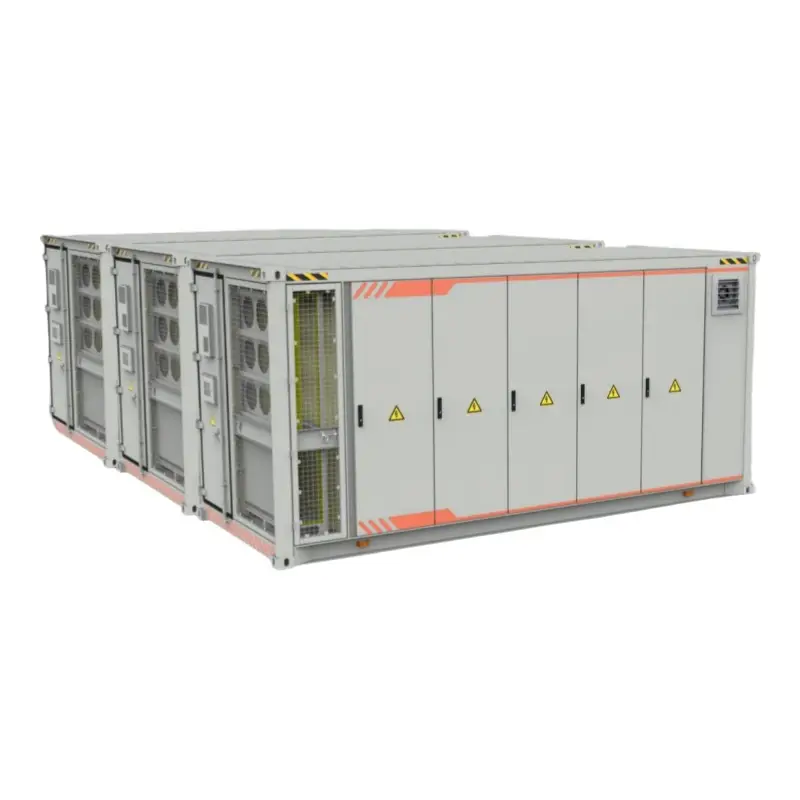
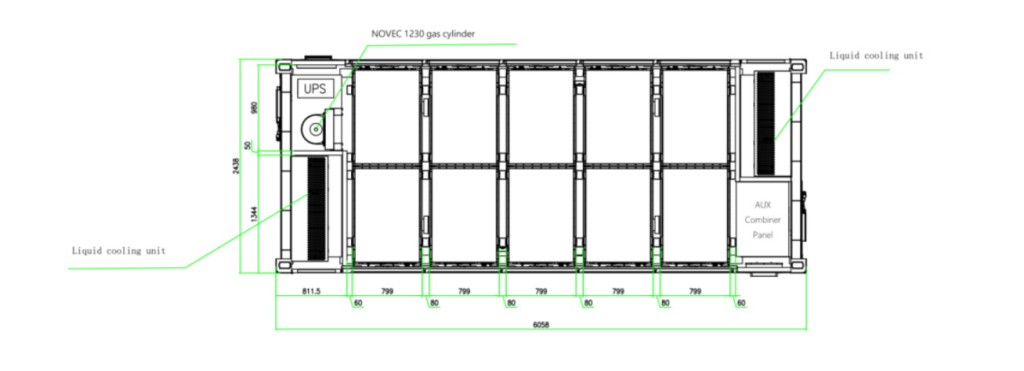
The 20ft NWI liquid-cooled energy storage container is a fully integrated, high-energy-density system designed for large-scale applications. It incorporates a battery rack system built with 280Ah LiFePO₄ cells, along with an advanced Battery Management System (BMS), Fire Suppression System (FSS), thermal management system, and auxiliary power distribution system.
This modular containerised design ensures superior safety, efficient thermal regulation, and seamless scalability, delivering reliable and high-performance energy storage for utility, commercial, and industrial applications.
Battery Management System (BMS)
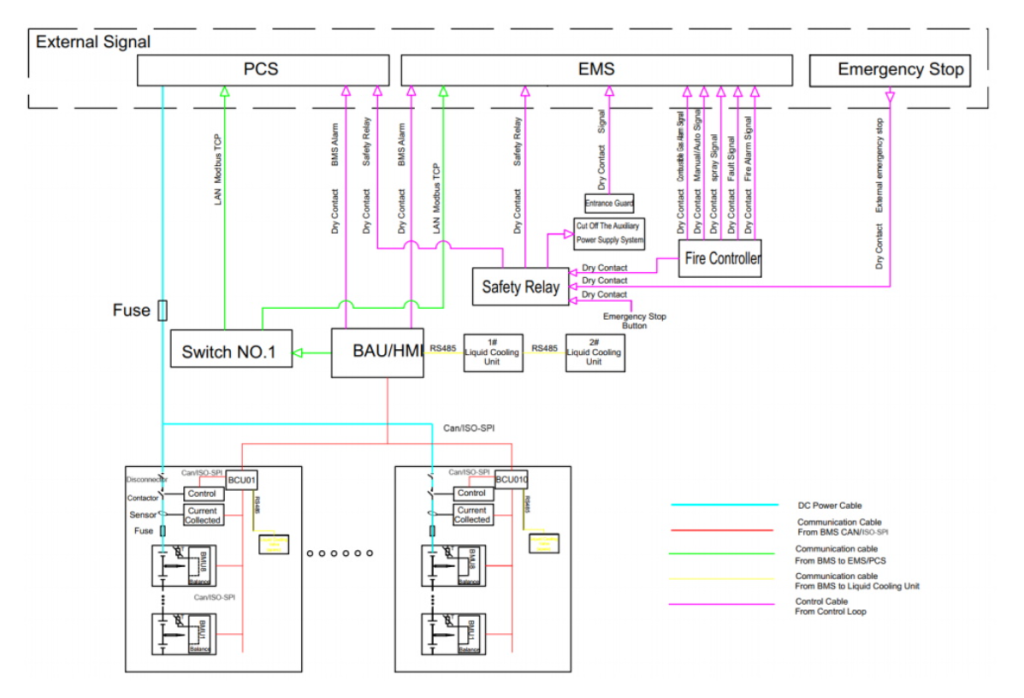
The Battery Management System (BMS) continuously collects, processes, and stores critical operational data from the battery modules in real time. It communicates with external equipment to deliver real-time monitoring, alarms, and protection functions, ensuring safe and efficient battery operation.
The BMS adopts a multi-level distributed architecture for enhanced control and reliability. In a typical three-level configuration, the system consists of:
- Module-Level BMU (Battery Management Unit) – monitors individual cells and balances voltage.
- Rack-Level BCMU (Battery Cluster Management Unit) – manages module communication and current measurement.
- System-Level BAMS (Battery Array Management System) – provides centralised control, data logging, and communication with the energy management system.
This hierarchical design allows precise control, scalable system integration, and reliable protection for large-scale Battery Energy Storage Systems (BESS).