
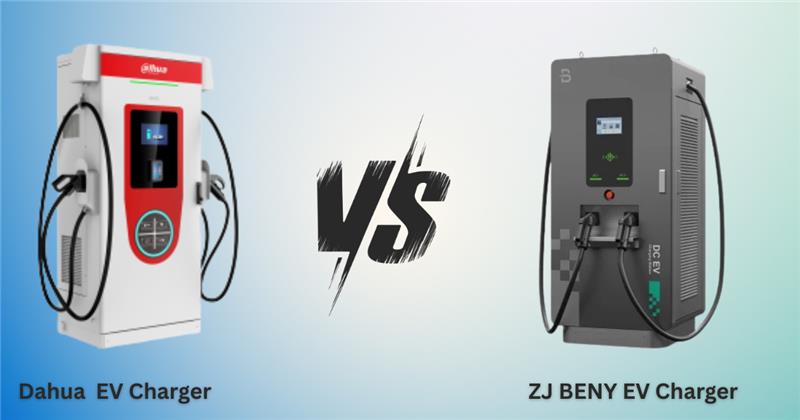
As the shift toward electric mobility accelerates, the demand for high-quality, efficient, and future-proof EV charging solutions is at an all-time high. Among the top players in the Australian EV charging market are Dahua and ZJ Beny—two reputable brands with distinct strengths.
Whether you’re installing a home charger or scaling commercial charging infrastructure, this guide compares Dahua EV chargers and ZJ Beny EV chargers to help you make an informed decision.
Brand Overview
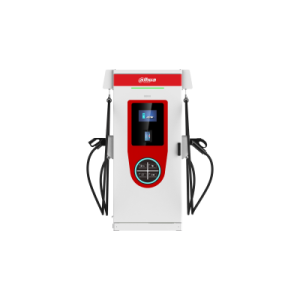
Dahua EV Chargers
Known for their advanced security and automation technologies, Dahua brings a smart, connected approach to EV charging. Their chargers are ideal for residential setups, commercial premises, and fleet depots. Browse the full lineup of Dahua EV Chargers.
ZJ Beny EV Chargers
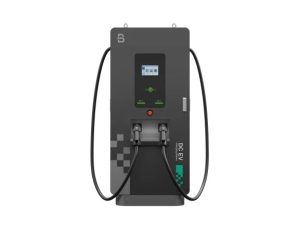
ZJ Beny is a recognised name in the solar and electrical protection sector. Their EV charging solutions are designed for simplicity, solar integration, and OCPP compliance, making them especially suitable for both residential and commercial applications. Explore the full ZJ Beny EV Charger range.
Product Feature Comparison
1. Design and Installation
- Dahua: Available in both socket and tethered cable versions for flexibility. The Dahua D-VOLT AIR (Socket Version) and Cable Version are perfect for home garages or apartment car parks.
- ZJ Beny: Offers clean, wall-mounted designs with optional solar-ready features. Their 7kW OCPP-compatible charger is a homeowner favourite, while commercial-grade chargers like the 44kW–222kW Commercial EV Charger cater to businesses and EV fleet operators.
2. Smart Charging Capabilities
- Dahua: Offers advanced OCPP integration, mobile app control, RFID access, and remote diagnostics—great for property developers or smart energy setups. The Dahua D-VOLT PRO (Cable Version) is equipped with full smart charging features.
- ZJ Beny: Features OCPP support, solar export limitation, and real-time data access. For high-volume installations, the BDC60-D & BDC90-D DC Fast Charger (60kW–240kW) supports fast charging for public stations and service centres.
3. Charging Speeds and Applications
Dahua: Offers both AC and high-speed DC chargers, including the 60kW Dual-Port DC Charger for heavy-duty needs.
ZJ Beny: Caters to a wider power spectrum. For fast commercial deployment, the 2-Guns DC EV Charging Station (60kW–120kW) and Liquid Cooled DC Charging Station provide high throughput with built-in media display for branding.
4. Best Use Cases
| Use Case | Dahua | ZJ Beny |
| Home Charging | Compact & Smart | Solar-Integrated & Easy to Install |
| Workplace Charging | OCPP + App Control | Reliable AC Charging with Load Balancing |
| Commercial/Public Sites | High Power DC Units | DC Fast Chargers up to 240kW |
| Fleet/Depot Charging | Multi-port DC Options | Liquid-Cooled High-Speed Chargers |
Final Verdict: Which Should You Choose?
Choose Dahua EV Chargers if you need a well-integrated system for smart homes, commercial parking, or mixed-use developments. Their chargers offer robust remote control and diagnostic capabilities and are scalable for future upgrades.
Choose ZJ Beny EV Chargers if you’re looking for a solar-compatible, cost-effective, and fast-charging solution for homes, businesses, or public spaces. With flexible power ratings and modular options, ZJ Beny chargers are built for both today’s needs and tomorrow’s growth.
Explore Our EV Charger Range
At Prishda Energy, we help you select the right EV charger based on your site layout, energy usage, and expansion goals. Whether you’re installing a single wallbox at home or building an entire charging network for your business, we have you covered.
- Browse Dahua EV Chargers
- Browse ZJ Beny EV Chargers
Need personalised advice? Our expert team is ready to help you plan and deploy a scalable EV charging solution tailored to your needs.