
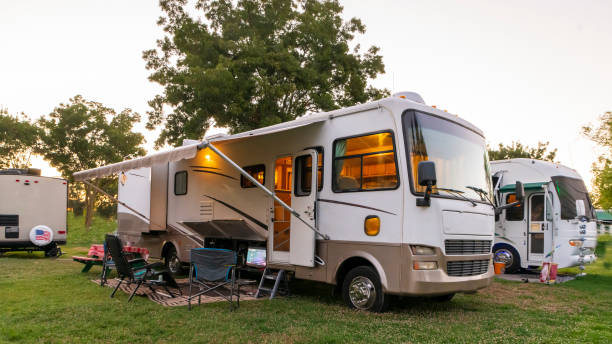
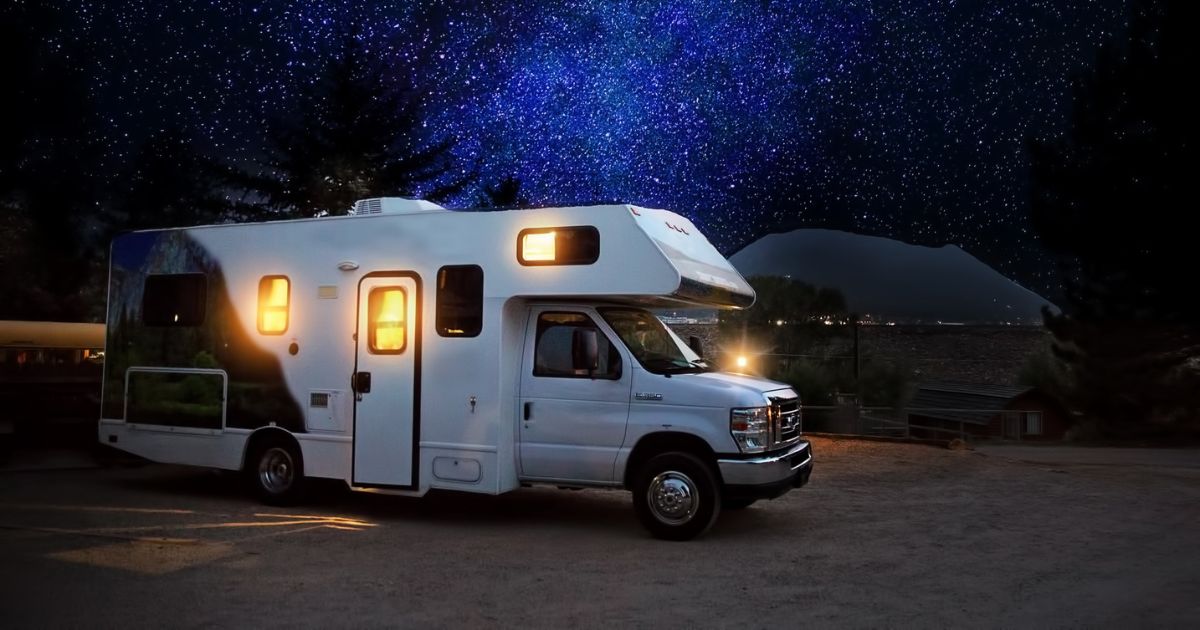
Owning a campervan brings a sense of freedom and adventure. But have you ever wondered, do you need 230V power in your campervan? While many campervans operate on 12V systems, some appliances demand more power. Let’s explore whether integrating a 230V power setup is necessary for your travels and how to make informed energy decisions for your campervan.
Understanding Campervan Power Systems: 12V vs. 230V
Most campervans rely on 12V electrical systems, ideal for off-grid scenarios and powering basic appliances like lights, fans, USB chargers, and 12V refrigerators. However, appliances like kettles, toasters, and hairdryers often require 230V power. At Prishda Energy, we specialize in providing high-quality power solutions for campervans, ensuring your setup perfectly aligns with your needs. Whether you’re upgrading to a 230V system or optimizing your existing 12V configuration, we’ve got you covered.
So, is a 12V system sufficient, or should you upgrade to include 230V capabilities? The answer depends on your camping style and appliance usage. Let’s dive deeper.
Why Might You Need 230V Power in Your Campervan?
A 230V power system is essential for running household appliances like kettles, toasters, or larger kitchen devices that demand higher voltage. These appliances can enhance your comfort while travelling, especially during extended trips or off-grid adventures.
Before committing to a 230V setup, consider alternatives:
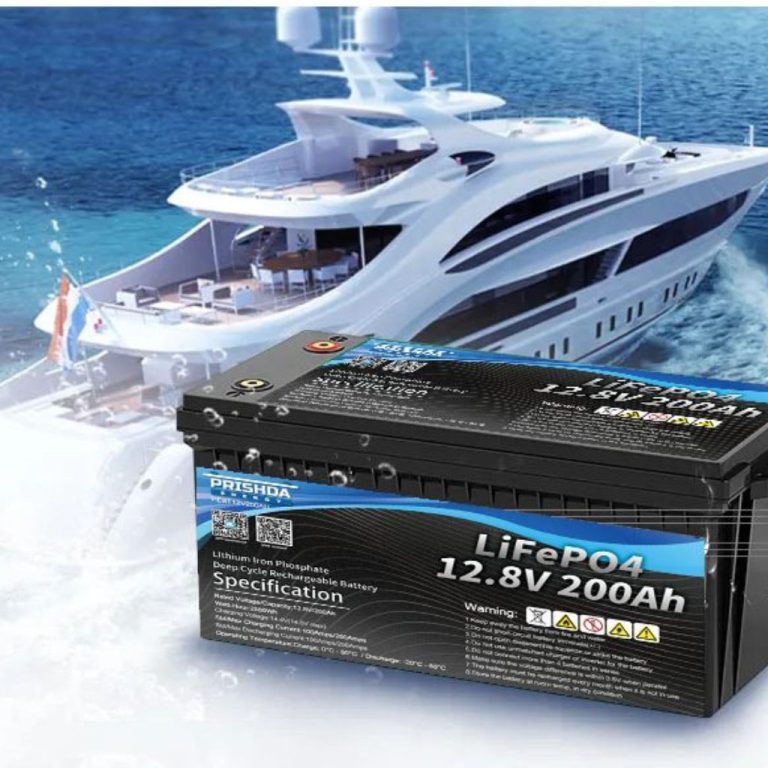
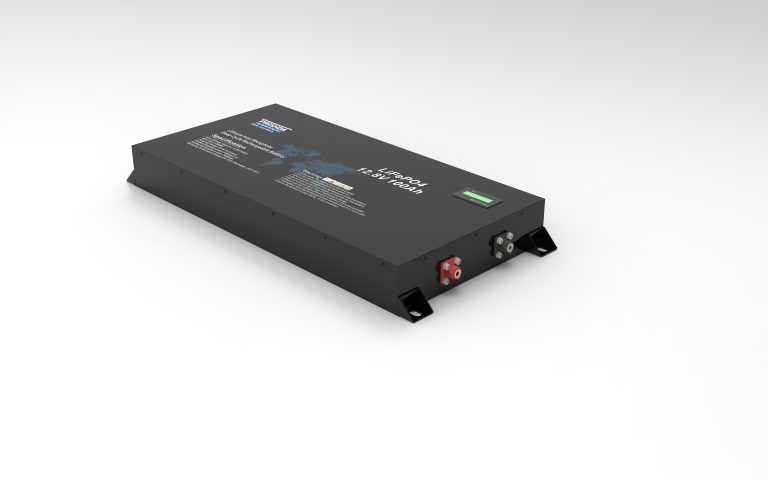
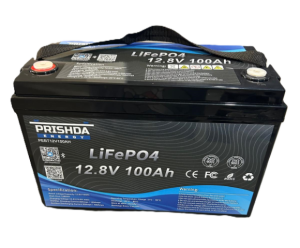
- Many 12V lifepo4 batteries for RVs can efficiently power specially designed 12V appliances, like kettles or coffee makers.
- Upgrading your campervan’s electrical system to include a 12V lithium battery for caravans can also improve efficiency.
At Prishda Energy, we offer a wide range of reliable lithium batteries and inverter solutions tailored for campervan enthusiasts. Let us help you make the right choice for your energy needs.
Pros and Cons of 12V and 230V Systems
12V System:
- Pros: Efficient for off-grid camping, supports essential devices like lights and chargers.
- Cons: Limited capacity for high-wattage appliances.
230V System:
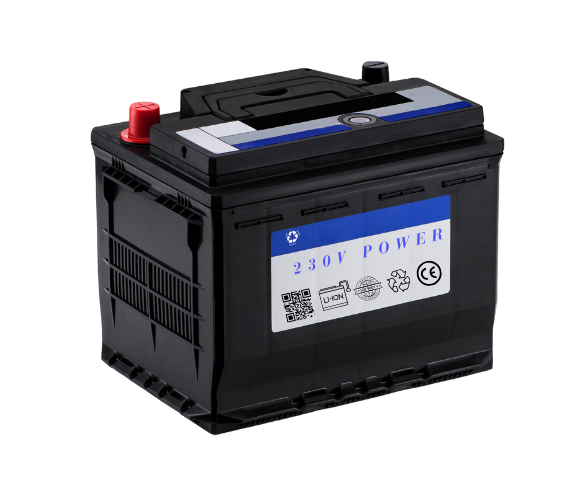
- Pros: Powers larger appliances like microwaves or hairdryers.
- Cons: Requires additional equipment, like an inverter, and places more strain on batteries.
The Role of Inverters: Bridging the Gap Between 12V and 230V Power
An inverter/charger is an essential device for campervans that combines two functions:
- Inverting Power: Converts 12V DC power from your batteries into 230V AC power to run high-voltage appliances.
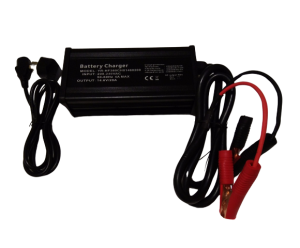
- Charging Batteries: Recharge your 12V lifepo4 battery in Australia using mains power when available.
Choosing the Right Inverter/Charger
Popular options like the Victron Multiplus are highly recommended for their reliability. When selecting an inverter, ensure it suits your power needs:
- Use an inverter sizing calculator to determine the wattage required for your appliances.
- Opt for a pure sine wave inverter for sensitive electronics.
Installation Tips:
- Use short, heavy-duty wiring and appropriate circuit breakers between the inverter and batteries.
- Consider consulting professionals for safe installation.
Assessing Battery Needs: The Backbone of Your Power System
Your campervan’s battery is the heart of its electrical system. Whether you’re using a lifepo4 battery 12V or upgrading to a lifepo4 battery 24V, choosing the right type and capacity is crucial.
Benefits of Lithium Batteries:
- Efficiency: Lithium batteries provide consistent performance for high-demand appliances.
- Durability: Lifepo4 batteries last longer and require less maintenance.
- Versatility: Perfect for both off-grid camping and on-grid convenience.
For frequent use of high-demand devices, upgrading to a 12V lithium battery for caravans or a 12V lifepo4 battery in Australia ensures reliable performance without overloading your system.
Practical Tips for Managing Power Off-Grid
If you plan to stick with a 12V system:
- Opt for 12V appliances specifically designed for campervans.
- Monitor your battery levels and avoid overloading your system.
For those requiring 230V power:
- Invest in a robust inverter/charger setup.
- Pair your system with high-capacity lithium batteries like lifepo4 batteries for RVs to ensure efficiency.
Conclusion: Choosing the Right Power Setup for Your Campervan
Ultimately, deciding whether to integrate 230V power into your campervan depends on your unique needs and camping style. If your adventures revolve around off-grid efficiency, a 12V system paired with lifepo4 batteries for RVs may be ideal. On the other hand, for high-power appliances, investing in a reliable 12V lithium battery for caravans and an inverter setup is worth considering.
At Prishda Energy, we provide top-quality lithium batteries, inverters, and complete power solutions to help you create the perfect energy system for your campervan. Whether you’re looking to enhance off-grid efficiency or power high-demand appliances, our expert team is here to assist you in making the best choice for your travels.
By tailoring your power system to your lifestyle, you can ensure every journey is as enjoyable and stress-free as possible. Choose wisely with Prishda Energy, and let your campervan adventures take you wherever the road leads!