
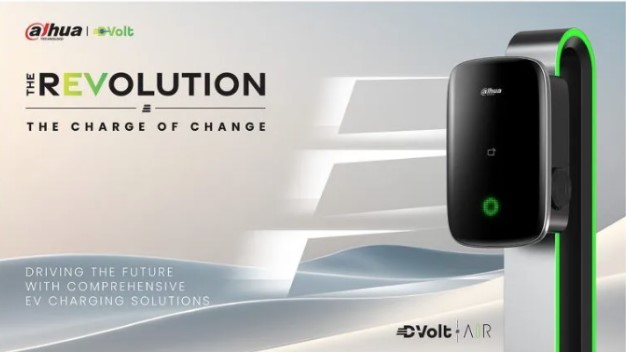
As more Australians make the shift to electric vehicles (EVs), having a reliable, efficient, and safe EV charger at home is becoming a necessity. The Dahua D-Volt series, available at Prishda Energy, offers a range of smart home EV chargers that are designed to meet the diverse needs of modern homeowners. In this guide, we cover everything you need to know about installing a Dahua EV charger at home, from model options to technical considerations and safety features.
Why Choose a Dahua EV Charger for Your Home?
The Dahua D-Volt range includes four models tailored for home charging:
- Dahua D-Volt Air Socket Version
- Dahua D-Volt Air Cable Version
- Dahua D-Volt Pro Socket Version
- Dahua D-Volt Pro Cable Version
These models support single-phase and three-phase AC charging (up to 22 kW), making them suitable for most residential electrical systems. Each model comes with multiple control options including RFID cards, mobile app integration, and plug-and-play charging, providing flexibility for all user types.
Pre-Installation Considerations
1. Choose Between Socket and Cable Versions
- Socket Versions offer flexibility and are ideal for shared or multi-EV households.
- Cable Versions provide convenience as the charging cable is built-in (Type 2), saving time.
2. Check Your Power Supply
- Single-phase homes typically support up to 7.4 kW.
- Three-phase setups can support up to 22 kW for faster charging.
Your installer will assess the supply type to recommend the optimal configuration.
3. Select a Mounting Option
All Dahua chargers support wall mount and vertical pole mount options. Choose based on available space, cable reach, and convenience.
4. Location Requirements
Install in a well-ventilated, oil- and chemical-free area that is either indoors or sheltered outdoors. All models are IP55/IP66 rated for dust and water resistance, and IK10 rated for impact protection (Pro series).
Features That Make Installation Seamless
Safety-First Design
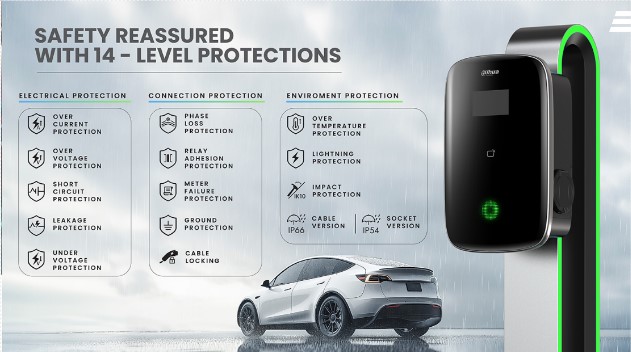
Dahua chargers include multiple safety mechanisms:
- 30 mA Type A + 6 mA DC RCD leakage protection
- PEN protection (for British/AU regulations)
- Overvoltage, undervoltage, surge, overcurrent, and over-temperature protection
Connectivity and Control
- Supports OCPP 1.6J and ModBus TCP for smart home or solar system integration
- Wi-Fi or Ethernet options for remote monitoring and firmware upgrades
- Optional Dynamic Load Balancing for better energy management when sharing loads with appliances or solar
Upgrade Flexibility
Dahua chargers allow USB or remote upgrades, ensuring your firmware remains up to date with the latest features.
Installation Steps
1. Site Evaluation: An installer assesses your home’s electrical system and preferred charger location.
2. Mounting the Unit: Using wall or pole mounting, the unit is fixed and safely secured.
3. Electrical Wiring: The charger is connected to your switchboard with the proper circuit protection.
4. Setup and Configuration: Load balancing, RFID settings, app pairing, and charging modes are configured.
5. Testing and Commissioning: The unit is tested to ensure optimal and safe performance.
Always use a licensed EV installer who understands Australian standards (AS/NZS 3000).
Post-Installation: What to Expect
Once installed, you’ll enjoy:
- Fast charging at home without relying on public stations
- Full control over usage, session history, and costs via the app
- Peace of mind with Dahua’s 3-year warranty and robust safety features
Conclusion
Installing a Dahua EV charger at home is a smart investment that enhances the convenience and efficiency of EV ownership. With a range of feature-rich models like the Air and Pro series, Dahua offers dependable solutions tailored for Australian homes.
Explore the full range of Dahua Home EV Chargers at Prishda Energy. For expert installation support, get in touch with our team today.