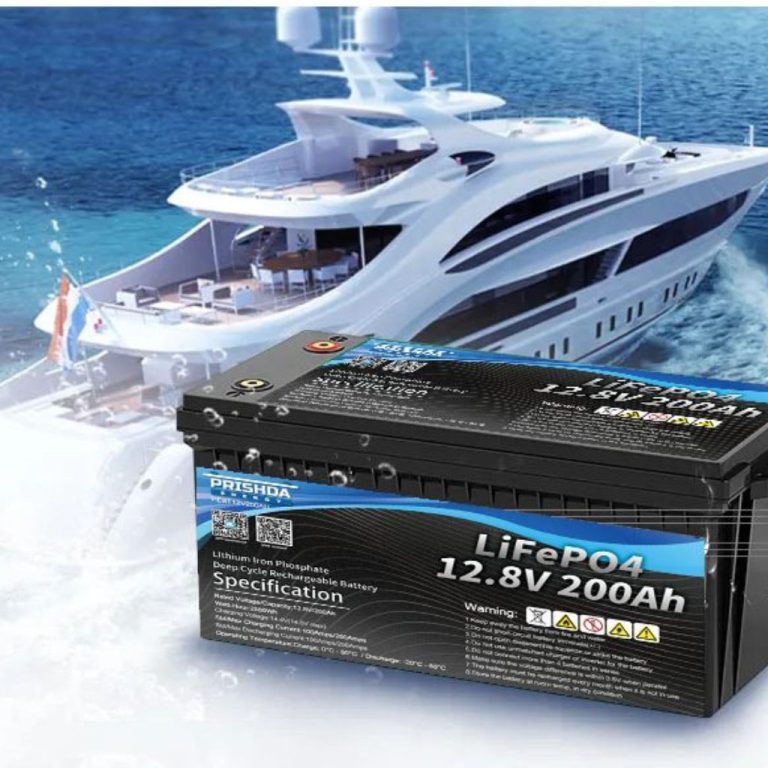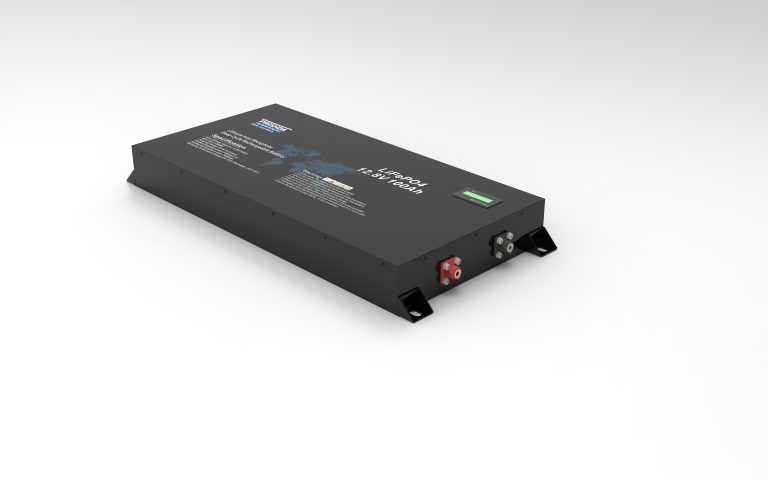



Exploring Strategies for Extending LiFePO4 Battery Life
As we increasingly rely on lithium iron phosphate (LiFePO4) batteries for various applications, understanding how to maximize their performance becomes crucial. Exploring strategies for extending LiFePO4 battery life is not just beneficial; it’s essential for ensuring efficiency and sustainability in our energy consumption.
Factors Affecting LiFePO4 Battery Lifespan
Several factors play a significant role in determining the lifespan of your LiFePO4 batteries. Temperature consideration, depth of discharge, charging voltage, and charging and discharging can all impact battery health. By recognizing these influences, you can take proactive measures to mitigate their effects.
- Temperature Considerations
LiFePO4 batteries operate optimally within a specific temperature range. Extreme heat or cold can accelerate degradation, affecting overall performance and longevity.
- Depth of Discharge (DOD)
The depth to which a LiFePO4 battery is discharged significantly impacts its lifespan. Shallower discharges contribute to prolonged battery life.
- Charging Voltage
Maintaining the proper charging voltage is critical. Overcharging can lead to heating and reduced lifespan, while undercharging may result in incomplete cycles, affecting overall capacity.
- Charging and Discharging Cycles
The number of charge and discharge cycles a LiFePO4 battery undergoes influences its overall lifespan. Managing these cycles efficiently is key to maximizing longevity.
Optimal Operating Conditions
To extend your battery’s lifespan, ideal temperature range, recommended DOD levels, proper charging voltage, and managing charging voltage conditions is key. Keeping your batteries within a temperature range of 20-25°C (68-77°F) and avoiding deep discharges will significantly enhance longevity. Regularly monitoring these conditions can lead to substantial improvements in performance over time.
- Ideal Temperature Range
LiFePO4 batteries perform best within a specific temperature range, usually between 20°C and 45°C. Storing or operating them outside this range may compromise their performance.
- Recommended DOD Levels
To extend the LiFePO4 battery life, it is advisable to maintain a moderate depth of discharge, ideally between 20% and 80%, rather than regularly discharging it fully.
- Proper Charging Voltage
Ensuring the correct charging voltage, typically between 3.2V and 3.6V per cell, prevents overcharging and safeguards the battery from potential damage.
- Managing Charging and Discharging Cycles
Carefully monitoring and managing the number of charging and discharging cycles helps maintain optimal performance over an extended period.
Common Misconceptions about LifePop Batteries
It’s important to debunk common misconceptions surrounding LiFePO4 batteries. Many believe the myth that LiFePO4 batteries don’t degrade, clarification on self-discharge rates, overcharging, and its impact; however, this isn’t true when done correctly. Understanding the science behind this are.
- Myth: LiFePO4 Batteries Don’t Degrade
Contrary to popular belief, LiFePO4 batteries do experience degradation, although at a slower rate compared to some other lithium-ion chemistries.
- Clarification on Self-Discharge Rates
LiFePO4 batteries have lower self-discharge rates, but it’s crucial to note that they are not entirely immune. Periodic charging is essential to counteract self-discharge.
- Overcharging and Its Impact
Overcharging can lead to increased temperatures within the battery, accelerating degradation. Employing effective charging control mechanisms is vital.
Testing LiFePO4 Battery Health
Regular testing of your LiFePO4 battery’s health is vital for identifying potential issues before they escalate. Utilizing specialized diagnostic tools can help you assess capacity and performance, allowing you to.
- Understanding Battery Capacity
Regularly assessing the battery’s capacity ensures that it continues to meet the specified requirements. Capacity testing helps identify any potential issues.
- Voltage and Internal Resistance Testing
Periodic checks on voltage and internal resistance provide insights into the battery’s health and performance. Deviations from standard values may indicate problems.
- Periodic Maintenance Tips
Simple yet effective maintenance practices, such as cleaning terminals and ensuring proper ventilation, contribute to sustained battery health.
Extending LiFePO4 Battery Lifespan
Implementing best practices such as avoiding implementing proper storage techniques, regular maintenance practices, and utilizing (BMS) can dramatically extend the lifespan of your batteries. Simple adjustments in usage habits can lead to remarkable results.
- Implementing Proper Storage Techniques
Storing LiFePO4 batteries in a cool, dry place with a partial charge helps prevent degradation during periods of inactivity.
- Regular Maintenance Practices
Routine inspections, cleaning, and addressing any issues promptly contribute to prolonging LiFePO4 battery lifespan.
- Utilizing Battery Management Systems (BMS)
Implementing BMS technology ensures optimal charging and discharging, preventing overcharging or discharging, which can harm the battery.
Real-life Applications and Success Stories
We have successfully implemented strategies to maximize our LiFePO4 battery performance. From renewable energy systems powering homes to electric vehicles achieving extended-range capabilities, these success stories illustrate the effectiveness of thoughtful management.
- Showcasing Examples of Prolonged LiFePO4 Battery Usage
Highlighting instances where LiFePO4 batteries have demonstrated exceptional longevity in various applications.
- Case Studies on Optimized Battery Management
Examining real-world cases where meticulous battery management practices have resulted in extended lifespans.
Environmental Impact of LiFePO4 Batteries
LiFePO4 batteries are known for their environmental friendliness comparing LiFePO4 to other battery chemistries, and recycling and disposal considerations. By extending their lifespan through careful management, we contribute positively to reducing electronic waste and promoting sustainable practices.
- Comparing LiFePO4 to Other Battery Chemistries
Assessing the environmental impact of LiFePO4 batteries compared to traditional lithium-ion batteries and other chemistries.
- Recycling and Disposal Considerations
Exploring eco-friendly options for recycling and disposing of LiFePO4 batteries responsibly.
Future Trends in LiFePO4 Battery Technology
The future looks bright for LiFePO4 technology, with ongoing research and developments, and potential advancements for increased lifespan while reducing costs. Staying informed about these trends will help you make strategic decisions regarding your energy needs in the future.
- Ongoing Research and Development
Highlighting the latest advancements and ongoing research in LiFePO4 battery technology.
- Potential Advancements for Increased Lifespan
Discussing potential innovations that could further enhance the already impressive lifespan of LiFePO4 batteries.
Conclusion
In conclusion, maximizing the duration of lithium-ion (LiFePO4) battery performance requires understanding key factors affecting lifespan and implementing effective strategies tailored specifically for this type of technology. By taking proactive steps today, we enhance our experiences and contribute positively toward a more sustainable future.