
Home Home Solution
Home Solution
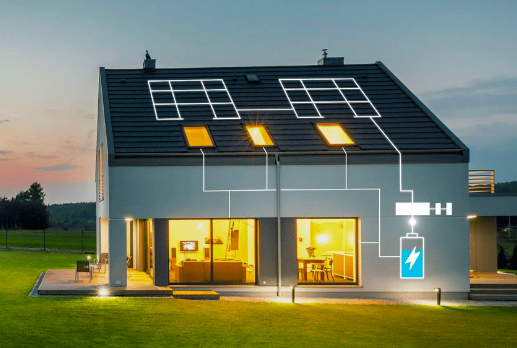
The need for home energy storage systems has grown in popularity, whether you’re far from grid storage or are looking to store backup power for your home tied to the grid. Adding a home battery storage system has plenty of perks, including reducing your carbon footprint, achieving self-sufficiency, avoiding reliance on fossil fuels, and having peace of mind that power is there when you need it.
1. Solar Panels:
Solar panels, also known as photovoltaic (PV) panels, convert sunlight into electricity through the photovoltaic effect. These panels consist of solar cells made of semiconductor materials, such as silicon, that generate direct current (DC) electricity when exposed to sunlight. Solar panels are a key component of residential renewable energy systems, providing homeowners with a clean and sustainable source of electricity.
Advanced solar panel technology has led to the development of more efficient and durable panels, such as monocrystalline and polycrystalline panels. Monocrystalline panels are known for their high efficiency and sleek design, while polycrystalline panels offer a cost-effective option for homeowners looking to install solar power systems.
Solar panels are typically mounted on rooftops or ground-mounted arrays to capture sunlight and convert it into electricity. In residential applications, solar panels can be used to offset electricity consumption from the grid, reduce energy bills, and lower carbon emissions associated with traditional energy sources.
2. Lithium-ion Phosphate (LiFePO4) Batteries:
Lithium-ion phosphate (LiFePO4) batteries are a type of rechargeable battery known for their high energy density, long cycle life, and enhanced safety features. These batteries use lithium iron phosphate as the cathode material, which provides stability and thermal resistance, making them a reliable choice for energy storage applications.
In residential renewable energy systems, LiFePO4 batteries are commonly used to store excess electricity generated by solar panels for use during periods of low sunlight or high energy demand. These batteries can be configured in various voltage options, such as 12V, 24V, 36V, and 48V, to meet the specific energy storage requirements of homeowners.
LiFePO4 batteries are preferred for residential applications due to their low self-discharge rates, high efficiency, and long lifespan. These batteries are designed to withstand frequent charge-discharge cycles, making them ideal for daily use in renewable energy systems.
3. Prismatic Cells:
Prismatic cells are a specific type of battery cell design characterized by their rectangular shape, which allows for efficient stacking and packing within a battery pack. These cells offer advantages such as higher energy density, improved thermal performance, and increased reliability compared to traditional cylindrical cells.
In residential renewable energy systems, prismatic cells are often used in conjunction with LiFePO4 batteries to enhance energy storage capacity and efficiency. The design of prismatic cells minimizes internal resistance and heat generation, leading to better battery performance and longevity.
Prismatic cells help optimize the space utilization within a battery pack, allowing for a compact and efficient energy storage solution in residential applications. These cells contribute to the overall reliability and performance of the battery system, ensuring stable energy storage and optimal utilization of renewable power sources.
4. Off-Grid Home Solution:
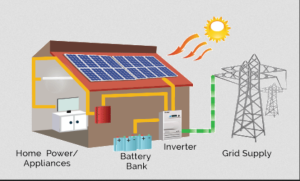
Off-grid home solutions are designed to operate independently of the utility grid, relying on renewable energy sources such as solar panels and LiFePO4 batteries for power generation and storage. These solutions are ideal for remote or rural areas where grid connections may be unavailable or unreliable.
In an off-grid home setup, solar panels generate electricity during the day, which is stored in LiFePO4 batteries for use at night or during periods of low sunlight. The combination of solar panels, batteries, and energy management systems provides homeowners with a reliable and sustainable power supply, even in off-grid locations.
Off-grid home solutions offer homeowners energy independence, allowing them to reduce their reliance on fossil fuels and traditional energy sources. By harnessing clean and renewable energy, homeowners can lower their carbon footprint, save on energy costs, and achieve a self-sufficient lifestyle.
5. On-Grid Home Solution:
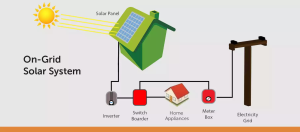
On-grid home solutions integrate renewable energy technologies such as solar panels and LiFePO4 batteries with the existing utility grid infrastructure. These solutions allow homeowners to benefit from both grid-supplied electricity and self-generated renewable energy.
In an on-grid setup, excess electricity generated by solar panels can be fed back to the grid through net metering or feed-in tariff programs, providing homeowners with financial incentives and contributing to grid stability. On-grid solutions help homeowners reduce their energy bills, lower their environmental impact, and support the transition to a more sustainable energy system.
By leveraging renewable energy sources in on-grid applications, homeowners can play an active role in promoting clean energy and reducing their dependence on fossil fuels. These solutions offer a balance between grid-supplied and self-generated electricity, providing homeowners with flexibility and cost-saving opportunities.
6. Energy Savings:
Residential renewable energy systems, including solar panels and LiFePO4 batteries, enable homeowners to save energy by harnessing clean and sustainable power sources for their electricity needs. By generating renewable energy on-site and storing it efficiently, homeowners can reduce waste, lower energy consumption, and minimize their reliance on grid electricity.
Effective energy management practices, such as optimizing energy production and storage through renewable technologies, help homeowners achieve significant energy savings over time. By incorporating energy-efficient appliances, smart home technologies, and energy monitoring systems, homeowners can further enhance their energy efficiency and reduce their environmental impact.
The implementation of energy-saving measures in conjunction with renewable energy solutions empowers homeowners to lower their energy bills, save on utility costs, and contribute to a more sustainable future. By adopting clean energy technologies and sustainable practices, homeowners can achieve long-term energy savings and environmental benefits.
7. Carbon Emission Reduction:
The adoption of renewable energy technologies like solar panels and LiFePO4 batteries plays a crucial role in reducing carbon emissions associated with conventional energy generation. By shifting to clean energy sources, homeowners can significantly decrease their carbon footprint, mitigate climate change, and support environmental conservation efforts.
Renewable energy systems help displace fossil fuel-based electricity generation, which is a major contributor to greenhouse gas emissions and air pollution. By embracing solar power and energy storage solutions, homeowners can contribute to a cleaner environment, sustainable energy transition, and global climate action.
Reducing carbon emissions through the use of renewable energy technologies not only benefits the environment but also promotes energy independence, economic sustainability, and public health. By choosing clean energy solutions for their homes, homeowners can make a positive impact on the environment and help build a more sustainable future for all.
8. Cost-Saving Opportunities:
The integration of solar panels, LiFePO4 batteries, and prismatic cells in residential renewable energy systems offers homeowners numerous cost-saving opportunities. By generating electricity from solar panels and storing it in batteries, homeowners can offset their grid electricity consumption, resulting in lower energy bills over time.
Various financial incentives, such as tax credits, rebates, and net metering programs, can further enhance cost savings for homeowners investing in renewable energy solutions. These incentives provide financial benefits and incentives for homeowners to adopt clean energy technologies and reduce their environmental impact.
The long-term economic benefits of renewable energy installations, including reduced energy expenses, increased home value, and potential revenue from excess energy generation, make clean energy technologies a cost-effective and sustainable choice for homeowners. By leveraging cost-saving opportunities in renewable energy, homeowners can achieve energy efficiency, financial stability, and environmental sustainability.
9. Grid Stabilization:
Renewable energy systems contribute to grid stabilization by diversifying energy sources, reducing peak demand, and enhancing the reliability and resilience of the electricity grid. By integrating solar panels, LiFePO4 batteries, and other renewable technologies into the grid, homeowners can support grid stability and efficiency.
Distributed energy resources, such as rooftop solar systems and home energy storage solutions, help balance energy supply and demand, improving grid stability and reducing the risk of power outages. Grid stabilization measures, including demand response programs, energy storage incentives, and smart grid technologies, promote a more flexible, responsive, and sustainable electricity grid for all stakeholders.
By promoting grid stabilization through renewable energy solutions, homeowners can contribute to a more reliable and efficient energy system that benefits communities, utilities, and the environment. By investing in renewable energy technologies and grid stabilization measures, homeowners can support the modernization and sustainability of the electricity grid.
10. Independent Power Supply:
Off-grid and on-grid renewable energy solutions provide homeowners with an independent power supply that reduces their reliance on traditional energy sources and enhances energy security. By combining solar panels with LiFePO4 batteries and prismatic cells, homeowners can generate, store, and utilize clean energy on-site to meet their electricity needs consistently and reliably.
Off-grid home solutions offer energy independence, allowing homeowners to live self-sufficiently and sustainably without relying on the utility grid. On-grid homes with renewable energy systems benefit from an independent power supply that reduces their vulnerability to grid disruptions, outages, and rising energy costs.
The ability to generate, store, and utilize clean energy on-site gives homeowners greater control over their power supply, ensuring resilience in the face of emergencies, extreme weather events, or grid failures. By embracing renewable energy technologies and independent power supply solutions, homeowners can achieve energy security, self-sufficiency, and peace of mind.
In conclusion, residential renewable energy systems incorporating solar panels, LiFePO4 batteries, prismatic cells, off-grid and on-grid applications, energy savings, carbon emission reduction, cost-saving opportunities, grid stabilization, and independent power supply offer homeowners a comprehensive and sustainable approach to meeting their energy needs. By leveraging clean energy technologies and sustainable practices, homeowners can achieve energy independence, cost savings, carbon reduction, and grid stability, contributing to a greener and more resilient energy future for themselves and future generations.
LiFePO4 Batteries Specialists
Our expert team provides complimentary, no-obligation quotes and professional advice on LiFePO4 batteries. We take pride in understanding your unique needs to help you maximize your investment. Contact us today to learn more.