

Home On Grid Home Solution
On Grid Home Solution
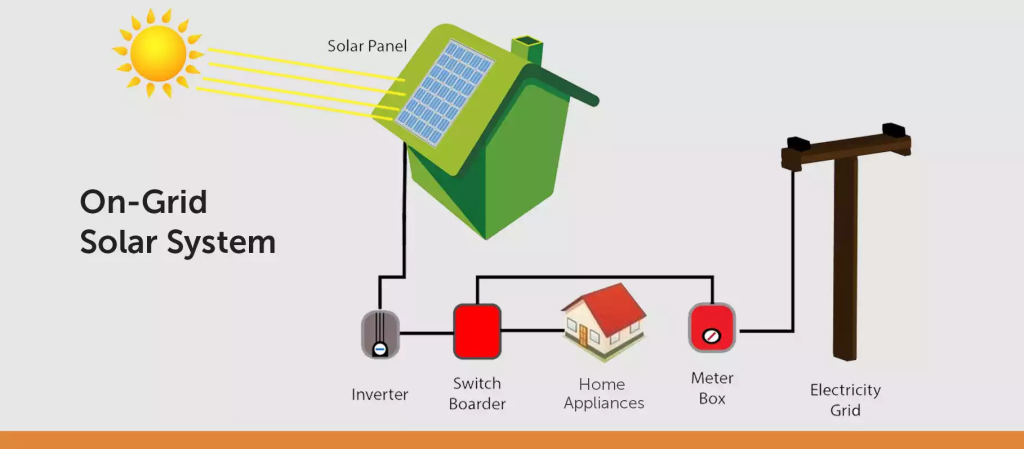
On-Grid Solar Home Solutions: Guide to Sustainable Energy Transformation
Introduction:
In a world where environmental sustainability and energy efficiency are becoming increasingly important, on-grid solar home solutions offer a promising path toward a cleaner and greener future. By harnessing the power of the sun through solar panels, storing excess energy in advanced lithium-ion phosphate (LiFePO4) batteries, and converting electricity efficiently with solar inverters, homeowners can create a sustainable energy ecosystem that benefits both their households and the environment. Let’s delve deeper into the components and benefits of on-grid solar systems and explore how they can revolutionize the way we power our homes.
- Solar Panels:
Solar panels are the foundation of any on-grid solar system, serving as the primary mechanism for capturing sunlight and converting it into usable electricity. There are various types of solar panels available, including monocrystalline, polycrystalline, and thin-film options, each with its own set of advantages in terms of efficiency, aesthetics, and space requirements. By installing high-quality solar panels on rooftops or ground-mounted arrays, homeowners can generate clean energy to power their homes and reduce their reliance on grid electricity.
- Solar Inverters:
Solar inverters play a crucial role in converting the direct current (DC) electricity generated by solar panels into alternating current (AC) electricity that can be used to power household appliances. String inverters, microinverters, and power optimizers are common types of solar inverters used in on-grid solar systems, each offering different levels of efficiency, monitoring capabilities, and system design flexibility. By selecting the right solar inverter for their needs, homeowners can optimize the performance of their solar installations and maximize their energy savings.
- Lithium-Ion Phosphate (LiFePO4) Batteries:
Lithium-ion phosphate (LiFePO4) batteries are advanced energy storage solutions that enable homeowners to store excess solar energy for use during periods of low sunlight or grid outages. Known for their high energy density, long cycle life, and superior safety features, LiFePO4 batteries are a popular choice for residential solar storage systems. By integrating LiFePO4 batteries with on-grid solar setups, homeowners can increase their energy self-sufficiency, reduce their electricity bills, and have a reliable backup power source in case of emergencies.
- Solar Monitoring and Control Systems:
Solar monitoring and control systems are essential components of on-grid solar home solutions that allow homeowners to track their energy production, consumption, and battery storage in real-time. Monitoring platforms, mobile apps, and smart home energy management systems provide valuable insights into energy flows, system performance, and cost savings, empowering homeowners to make informed decisions about their energy usage. By leveraging solar monitoring and control systems, homeowners can optimize their energy efficiency, identify potential issues, and ensure the smooth operation of their solar installations.
- Energy Management and Optimization:
Energy management and optimization technologies are key to maximizing the benefits of on-grid solar systems and enhancing overall energy efficiency. Smart energy management software, load controllers, and demand-response mechanisms help homeowners balance their energy supply and demand, prioritize energy use during peak hours, and reduce their electricity costs. By implementing energy management strategies, homeowners can take control of their energy consumption, reduce waste, and lower their carbon footprint while enjoying the financial savings of solar power.
- Grid Interconnection and Net Metering:
On-grid solar systems are designed to interconnect with the existing utility grid infrastructure, enabling homeowners to draw electricity from the grid when needed and feed excess energy back into the grid. Net metering programs allow homeowners to receive credits for the surplus electricity they export, offsetting their electricity bills and promoting grid stability. By participating in net metering schemes and grid interconnection agreements, homeowners can leverage the benefits of on-grid solar systems while supporting the transition to a cleaner and more resilient energy grid.
- Environmental Benefits and Sustainability:
On-grid solar home solutions offer a host of environmental benefits that contribute to a more sustainable and eco-friendly future. By generating clean electricity from solar panels, storing excess energy in LiFePO4 batteries, and reducing dependence on fossil fuels, homeowners can lower their carbon emissions, protect natural resources, and combat climate change. The environmental impact of on-grid solar systems extends beyond individual homes to benefit communities, regions, and the planet at large, making them a powerful tool for environmental conservation and sustainable development.
- Financial Incentives and Return on Investment:
Investing in on-grid solar home solutions can yield substantial financial incentives and returns for homeowners. Federal tax credits, state rebates, utility incentives, and net metering savings can offset the upfront costs of solar installations and provide long-term savings on electricity bills. By calculating the return on investment (ROI) of their solar systems, homeowners can assess the economic benefits, payback period, and overall value of going solar. With the declining costs of solar technology and the increasing availability of financing options, on-grid solar solutions have become an attractive and lucrative investment for homeowners looking to save money and build energy resilience.
Conclusion:
In conclusion, on-grid solar home solutions offer homeowners a comprehensive and sustainable approach to powering their residences with clean energy, energy storage, and smart technologies. By integrating solar panels, solar inverters, LiFePO4 batteries, monitoring systems, energy management tools, and grid interconnection mechanisms, homeowners can create a self-sufficient and environmentally conscious energy ecosystem that benefits both their households and the wider community. Whether you are looking to reduce your energy bills, increase your energy independence, or contribute to a greener planet, on-grid solar systems provide a versatile and effective solution for transforming your home into a hub of clean and renewable energy. Join the solar revolution today and embark on your journey towards a brighter, cleaner, and more sustainable future with on-grid solar technology!
If you have any specific questions or need further information on any aspect of on-grid solar home solutions, feel free to ask!
LiFePO4 Batteries Specialists
Our expert team provides complimentary, no-obligation quotes and professional advice on LiFePO4 batteries. We take pride in understanding your unique needs to help you maximize your investment. Contact us today to learn more.