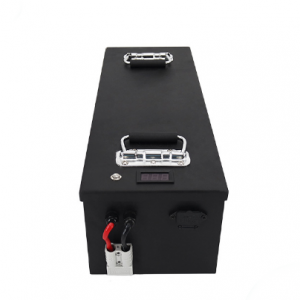
Lifepo4 Battery 36v
Prishda Energy’s 36V lithium-ion phosphate battery system represents a paradigm shift in the realm of energy storage solutions, embodying a harmonious blend of technological innovation, performance excellence, and environmental stewardship. Let’s embark on an extensive exploration of the multifaceted features, advanced design elements, and tangible applications that define the exceptional performance, reliability, and sustainability ethos of this cutting-edge system.
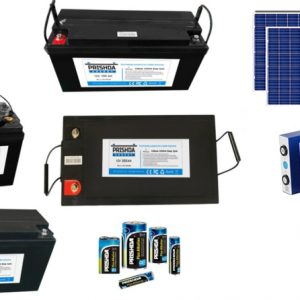
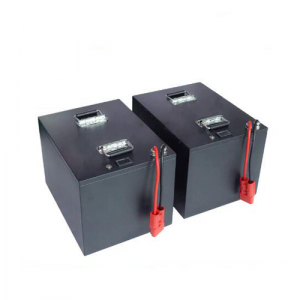
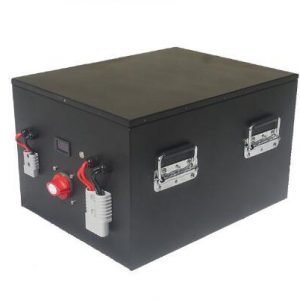
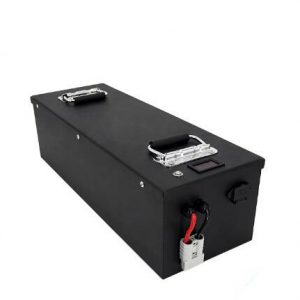
Prishda Energy’s 36V Lithium-Ion Phosphate battery with a Battery Management System (BMS):
-
Technical Specifications:
– Chemistry and Composition:
Prishda Energy’s 36V lithium-ion phosphate battery comprises lithium iron phosphate (LiFePO4) as the cathode material, offering advantages such as high thermal stability, low cost, long cycle life, and improved safety compared to other lithium-ion chemistries. The anode typically consists of graphite, while the electrolyte is a lithium salt solution in an organic solvent.
– Cell Configuration:
Prisha Energy’s battery pack is composed of individual cells connected in series to achieve the nominal voltage of 36V. Each cell undergoes precise manufacturing processes to ensure uniformity in capacity, internal resistance, and voltage characteristics, providing balanced performance across the entire battery pack.
– Energy Capacity and Power Rating:
Prishda Energy’s energy capacity of the battery, measured in watt-hours (Wh) or ampere-hours (Ah), determines the total amount of energy it can store. The power rating, expressed in watts (W) or kilowatts (kW), indicates the maximum power output the battery can deliver during discharge, influencing its ability to support high-current applications.
– Form Factor and Dimensions:
The physical dimensions and form factor of the battery pack are designed to fit specific applications and installation requirements. Factors such as size, weight, shape, and terminal configuration are considered to ensure compatibility with various devices, systems, or equipment.
-
Battery Management System (BMS):
– Voltage Monitoring:
The BMS continuously monitors the voltage of each cell within the battery pack to prevent overcharging or over-discharging, which can lead to cell damage or safety hazards. Precise voltage measurements and balancing algorithms ensure that all cells operate within a safe voltage range, maximizing battery life and performance.
– Temperature Regulation:
Temperature sensors integrated into the battery pack and BMS monitor the operating temperature of the cells. The BMS activates thermal management systems, such as cooling fans or heaters, to maintain optimal temperature conditions and prevent overheating or thermal runaway, ensuring safe and reliable operation.
– State of Health (SoH) Estimation:
The BMS utilizes algorithms and data processing techniques to estimate the state of health of the battery pack based on factors such as cycle count, capacity degradation, and internal resistance. This information helps users assess the remaining lifespan and performance capabilities of the battery over time.
– Fault Detection and Diagnostics:
The BMS includes fault detection mechanisms that identify anomalies or malfunctions within the battery pack, such as short circuits, overcurrent conditions, or cell imbalances. Real-time diagnostics and error reporting enable quick response and troubleshooting to prevent critical failures or safety incidents.
-
Cycle Life and Performance:
– Depth of Discharge (DoD):
Prishda Energy’s 36V battery pack’s depth of discharge refers to the percentage of the battery’s capacity that is utilized during each charge-discharge cycle. Lithium-ion phosphate batteries can typically achieve high DoD levels, up to 80-90%, without significant impact on cycle life or performance, allowing for efficient energy utilization.
– Cycling Endurance:
The cycling endurance of the Prishda Energy battery indicates the number of charge-discharge cycles it can withstand before experiencing notable capacity degradation. Lithium-ion phosphate batteries are known for their high cycling endurance, with some models capable of exceeding 2000-5000 cycles or more, depending on operating conditions and usage patterns.
– Pulse Discharge Capability:
The Prisha Energy battery’s ability to deliver short bursts of high current, known as pulse discharge capability, is crucial for applications requiring rapid power delivery, such as electric vehicles or power tools. Lithium-ion phosphate batteries exhibit excellent pulse discharge performance due to their low internal resistance and high power density.
-
Applications:
– Energy Storage Systems (ESS):
Lithium-ion phosphate batteries are widely used in energy storage applications, such as residential solar storage, grid stabilization, and uninterruptible power supplies (UPS). Their high energy density, long cycle life, and rapid charging characteristics make them ideal for storing renewable energy and providing backup power during outages.
– Electric Grid Support:
In utility-scale applications, lithium-ion phosphate batteries contribute to grid stability by providing frequency regulation, peak shaving, and load-balancing services. Their fast response times, high efficiency, and scalability enable efficient integration with renewable energy sources and demand-side management programs.
– Portable Electronics:
The compact size, lightweight design, and high energy density of lithium-ion phosphate batteries make them popular choices for portable electronics, such as laptops, smartphones, and wearable devices. The BMS ensures safe and reliable operation, protecting sensitive electronics from overcharging, over-discharging, and thermal events.
– Off-grid Solutions:
In remote or off-grid locations where access to reliable power sources is limited, lithium-ion phosphate batteries serve as primary or backup power systems for telecommunications, remote monitoring stations, and outdoor lighting. Their durability, low maintenance requirements, and long-term reliability make them suitable for harsh environmental conditions.
-
Environmental Considerations:
– Recyclability:
Lithium-ion phosphate batteries are environmentally friendly compared to traditional lead-acid batteries, as they contain fewer toxic materials and are more easily recyclable. Recycling programs exist to recover valuable metals and components from spent batteries, reducing waste and conserving resources.
– Energy Efficiency:
The high energy efficiency of lithium-ion phosphate batteries, characterized by low self-discharge rates and minimal energy losses during charging and discharging, contributes to overall energy conservation and reduced greenhouse gas emissions. Their ability to store renewable energy promotes sustainable practices and reduces reliance on fossil fuels.
– Lifecycle Analysis:
A comprehensive lifecycle analysis of lithium-ion phosphate batteries considers factors such as raw material extraction, manufacturing processes, operation, and end-of-life disposal. By evaluating the environmental impacts at each stage, manufacturers and users can make informed decisions to minimize the ecological footprint of battery systems. In summary, a 36V lithium-ion phosphate battery with a Battery Management System offers a sophisticated energy storage solution with advanced safety features, high performance, and diverse applications across industries. The detailed technical specifications, benefits, and environmental considerations highlight the versatility, efficiency, and sustainability of these batteries as essential components in modern energy systems and electrification solutions.
-
Versatile Modular Design and Scalability:
The modular architecture of the Prishda Energy battery system offers unparalleled versatility and scalability, catering to diverse applications and energy needs. This flexibility empowers users to customize the system to suit their specific requirements, expand capacity as needed, and seamlessly integrate with existing infrastructure, providing a flexible and future-ready solution for evolving energy demands.
-
Seamless Smart Grid Integration and Demand Response Capabilities:
The seamless integration of the Prishda Energy battery system with smart grid technologies unlocks advanced energy management and demand response capabilities. Leveraging real-time data analytics, predictive algorithms, and remote monitoring features, the system can dynamically respond to grid conditions, optimize energy flows, and support grid stability objectives, enhancing energy efficiency, reliability, and resilience in modern grid environments.
Conclusion:
Prishda Energy’s 36V LiFePO4 battery system embodies a fusion of cutting-edge technology, reliability, and adaptability, making it a leading solution for diverse energy storage applications in Australia. With a focus on innovation, performance, and sustainability, the system is poised to drive the transition towards a cleaner, more resilient, and more efficient energy landscape in the country.
-
LiFePO4 Batteries
Prishda Energy 36V 50Ah LiFePO4 Battery (MODEL – PE36V50AH)
$1,125.00 Add to cartView -
LiFePO4 Batteries
Prishda Energy 36V 100Ah LiFePO4 Battery (MODEL – PE36V100AH)
$2,178.00 Add to cartView -
LiFePO4 Batteries
Prishda Energy 36V 200Ah LiFePO4 Battery (MODEL – PE36V200AH)
$4,175.00 Add to cartView