
Understanding Prismatic Cells in Modern Battery Systems
Prismatic cell batteries are leading advancements in battery technology. They are flat, and rectangular in shape. And that makes them key in electric vehicles and storage solutions.

What Defines a Prismatic Cell Battery
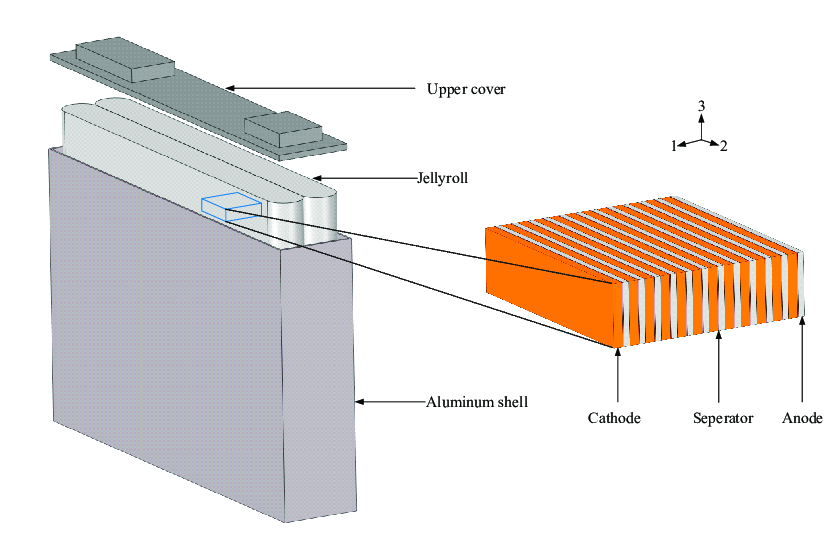
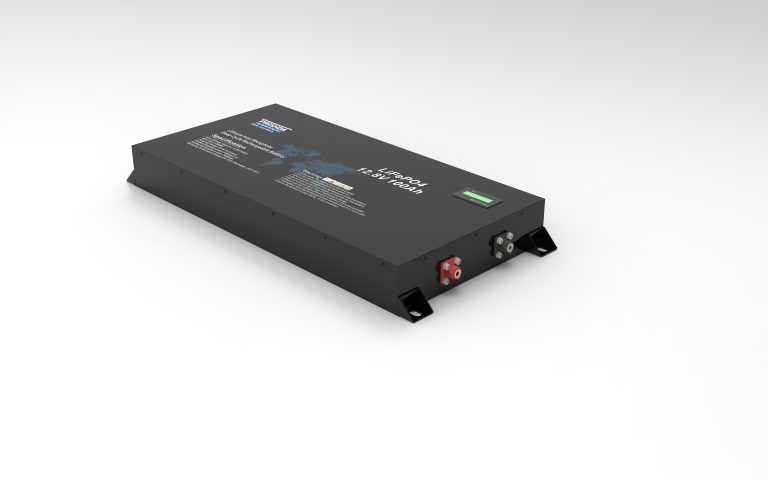
A prismatic cell, often referred to in the context of lithium iron phosphate (LiFePO4) batteries, represents a significant advancement in battery technology. Unlike traditional cylindrical cells, prismatic cells are designed with a flat, rectangular shape that allows for more efficient use of space within battery packs. This form factor enhances energy density and facilitates easier integration into various applications from electric vehicles to renewable energy storage systems.
Prishda Energy is pushing for greener energy and more EV use. Here, prismatic cells are crucial. They are made with advanced techniques, ensuring they last long and perform well wherever they’re used.
The Rise of Prismatic Cells in the EV Industry
The rise of prismatic cells in the electric vehicle (EV) industry marks a significant shift towards more efficient and powerful energy solutions. Li Iron batteries have emerged as frontrunners among the various battery technologies due to their superior safety, longevity, and environmental sustainability. These prismatic cells offer a compact design that optimizes space within EVs while providing higher energy density compared to traditional cylindrical batteries.
Adopting Li Iron batteries not only enhances the performance of electric vehicles but also addresses key consumer concerns such as range anxiety and charging times. With advancements in manufacturing techniques, these prismatic cells are becoming increasingly cost-effective, making them a viable option for automakers looking to scale up production without sacrificing quality.
As we witness this transformation within the EV industry, manufacturers must embrace prismatic cell technology. The future of electric mobility depends on our ability to innovate and implement better battery solutions that meet consumer demands while contributing positively to our planet’s health. The rise of Li Iron batteries represents not just an evolution in battery technology but a crucial step towards sustainable transportation for all.
Anticipated Industry Shifts Favouring Prismatic Technology
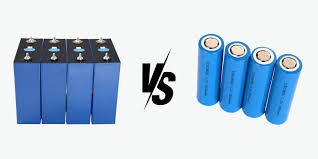
Prismatic Technology stands at the forefront of innovation, particularly with its groundbreaking advancements in Li Iron Battery technology. This cutting-edge battery solution offers numerous advantages that favor both consumers and industries alike. The Li Iron Battery is known for its superior safety features, significantly reducing the risk of overheating and combustion compared to traditional lithium-ion batteries.
Moreover, these batteries boast an impressive lifespan, allowing for longer usage without the need for frequent replacements. This not only translates to cost savings but also contributes to a more sustainable approach by minimizing waste. The inherent stability of Li Iron technology ensures reliable performance across various applications, from electric vehicles to renewable energy storage systems.
As demand for efficient energy solutions continues to rise, Prismatic Technology’s commitment to innovation in Li Iron Batteries positions it as a leader in the market. By prioritizing safety, longevity, and sustainability, Prismatic Technology is not just keeping pace with industry trends; it is shaping the future of energy storage solutions that will benefit us all.
Prismatic Cells Offers a Streamlined Manufacturing Process
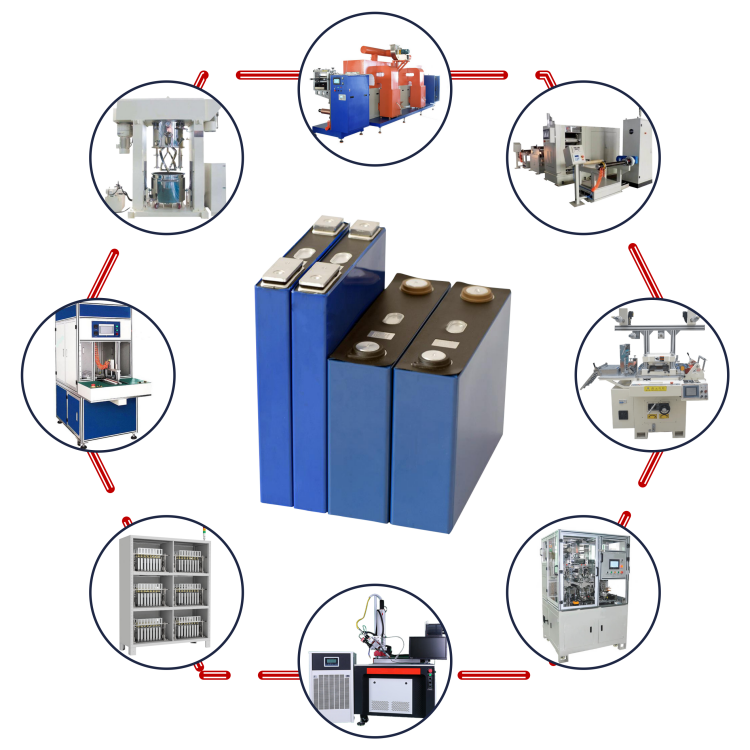
Prismatic cells are revolutionizing the landscape of battery manufacturing, particularly in the realm of Li Iron batteries. Their design inherently promotes a streamlined manufacturing process that offers numerous advantages over traditional cylindrical or pouch cell formats.
Firstly, prismatic cells maximize space efficiency. Their rectangular shape allows for optimal packing within battery packs, reducing wasted space and enabling manufacturers to produce more compact and lightweight energy solutions. This not only enhances the performance of electric vehicles and renewable energy storage systems but also simplifies the assembly process, leading to faster production times.
Moreover, prismatic cells facilitate easier thermal management due to their larger surface area. This characteristic is crucial for Li Iron batteries, which require effective heat dissipation to maintain safety and longevity. By ensuring uniform temperature distribution during operation, manufacturers can enhance the overall reliability of their products.
Additionally, the manufacturing process for prismatic cells can be more automated than that of other cell types. Automation leads to increased precision and consistency in production while minimizing human error an essential factor when dealing with high-performance batteries like Li Iron variants.
In conclusion, adopting prismatic cells in the production of Li Iron batteries not only streamlines manufacturing but also optimizes performance and safety. As industries continue to prioritize efficiency and innovation, embracing this technology is a clear pathway toward achieving sustainable energy solutions for our future.
Fewer Electrical Connections and Defects

Prismatic cell manufacturing stands out because it needs fewer electrical connections. This is a change from the cylindrical cells used in everything from phones to electric cars. Prismatic cells shine in energy storage, offering better use of space and design options.
They reach needed energy levels with fewer connections, making assembly simpler. This means a smoother production line with reliable batteries. Compared to other cell types, prismatic cells cut down on manufacturing costs. They do this with easier production processes.
Compatibility with Lithium-Iron Phosphate Chemistry

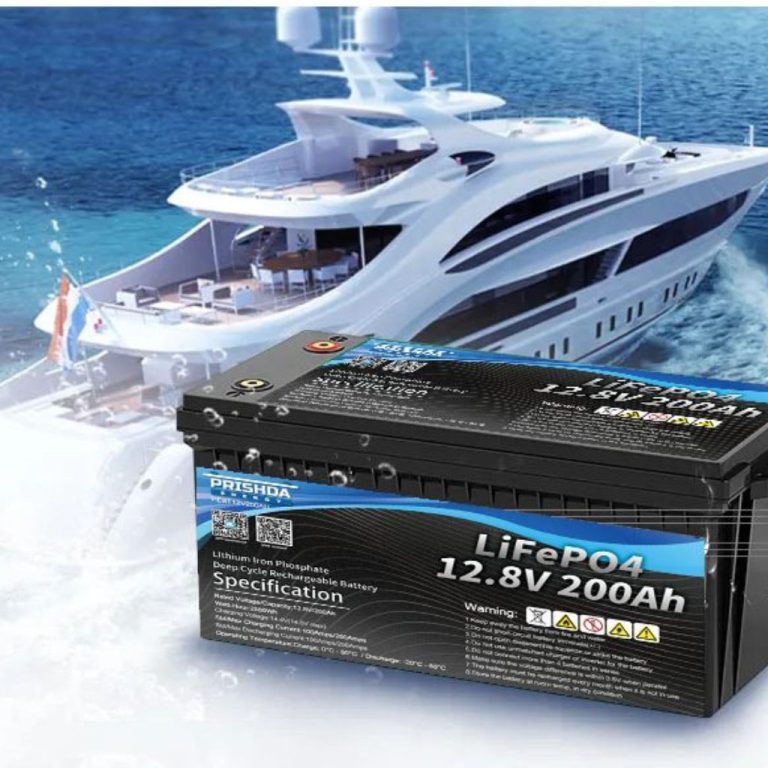
When it comes to energy storage solutions, compatibility with lithium-ion phosphate (LiFePO4) chemistry is paramount. Prishda Energy stands at the forefront of this technology, offering Li Iron Batteries that are not only efficient but also remarkably safe and stable. The unique characteristics of LiFePO4 make it an ideal choice for a variety of applications, from renewable energy systems to electric vehicles.
Prishda Energy’s commitment to harnessing the advantages of Li Iron Battery technology ensures that users benefit from longer life cycles and enhanced thermal stability. This compatibility translates into improved performance under demanding conditions, making Prishda Energy’s offerings a smart investment for those looking to optimize their energy storage solutions. By choosing Prishda Energy, you’re not only just getting a battery; but also securing a reliable partner in your journey toward sustainable energy management. Embrace the future with confidence—choose Prishda Energy for all your LiFePO4 battery needs!
Advantages of Prismatic Cell Applications

The advantages of prismatic cell applications, particularly in the context of LiFePO4 Batteries developed by Prishda Energy, are compelling and transformative. One of the standout features of these batteries is their long cycle life and safety. Unlike traditional battery technologies, Li Iron Batteries boast a remarkable lifespan, allowing for extended usage without significant degradation in performance. This means fewer replacements over time, which not only saves costs but also reduces environmental impact.
Moreover, efficient prismatic cell energy storage is revolutionizing how we think about energy management. The design of prismatic cells allows for higher energy density and better thermal management compared to cylindrical counterparts. This efficiency translates into more compact systems that can be seamlessly integrated into various applications—from electric vehicles to renewable energy systems.
Choosing Prishda Energy’s LiFePO4 Battery technology means investing in a future where safety and longevity are paramount. As we move towards more sustainable solutions, the advantages offered by prismatic cell applications make them an undeniable choice for both consumers and businesses alike. Embrace this innovation now to stay ahead in an increasingly eco-conscious world!
Battery Cell Shapes, Sizes, and Compatibility

The world of battery tech is wide and always evolving. We see new ways to store and use energy. At the heart of this change is battery cell design. It decides how well they work in different uses. Prismatic cells, with their boxy shape, are key to these advancements. They focus on making batteries fit well in size, helping tech grow in specific areas.
Choosing prismatic cells for some uses brings big benefits. They’re great at storing energy efficiently and saving space in battery packs. They are big, and longer than 20 cm, making them perfect for electric cars and energy storage that stay in one place. These areas need specific sizes and shapes to work best.
Finding the Right Fit: Application-Based Cell Selection
When it comes to application-based cell selection, particularly within the realm of prismatic battery technology, understanding the specific requirements of your project is crucial. For applications that demand a capacity range of 20–50Ah, choosing the right battery cells can significantly reduce costs while enhancing overall performance.
In industries such as electric vehicles, where efficiency and reliability are paramount, leveraging advanced prismatic battery technology can lead to substantial improvements. By selecting cells that align with your application’s needs, you not only optimize energy usage but also extend the lifespan of your batteries. This strategic approach not only lowers operational costs but also positions your business favourably in a competitive market.
Moreover, as the demand for electric cars continues to surge, investing in the right battery solutions becomes even more critical. By focusing on application-based cell selection now, you set yourself up for success in an evolving landscape where innovation and sustainability go hand in hand. Don’t underestimate the power of making informed decisions; it could be the key to unlocking greater efficiency and profitability in your projects.
The market’s needs vary, from big electric motors to small personal devices. This leads to a mix of preferences for prismatic or cylindrical cells. It all comes down to the specific needs of each user. Prishda Energy focuses on meeting these diverse needs with the right battery tech, keeping in mind the unique demands of each system.
The complexity of choosing the right battery cell is clear in the detailed info out there. It shows the balance needed between design choices and the needs of each use. Prishda Energy is working hard in this area, aiming to match battery sizes perfectly for each scenario. They keep pushing forward in both the design and use of battery cells.
Prismatic Cells: Catering to Higher Capacity Needs
Prismatic cells are revolutionizing the way we think about energy storage, especially for applications that demand higher capacity. With capacities ranging from 25Ah to an impressive 280Ah, these cells are engineered to meet the needs of industries that require robust power solutions. What sets Prishda Energy’s prismatic cells apart is their exceptional efficiency, boasting up to 95% efficiency in performance. This means that you can rely on them not just for their capacity but also for their ability to deliver power effectively.
Whether you’re in the automotive sector, renewable energy storage, or any other field that requires substantial energy output, prismatic cells fit seamlessly into your operations. Their versatility makes them ideal for a wide range of applications where high-power demands are non-negotiable. By choosing Prishda Energy’s prismatic cells, you’re investing in a future where energy efficiency and capacity go hand-in-hand ensuring you have the power you need when it matters most. Don’t compromise on your energy solutions; opt for prismatic cells and experience unmatched performance tailored to your specific requirements.
Prishda Energy’s Role in Prismatic Cell Advancement
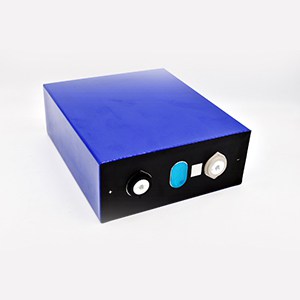
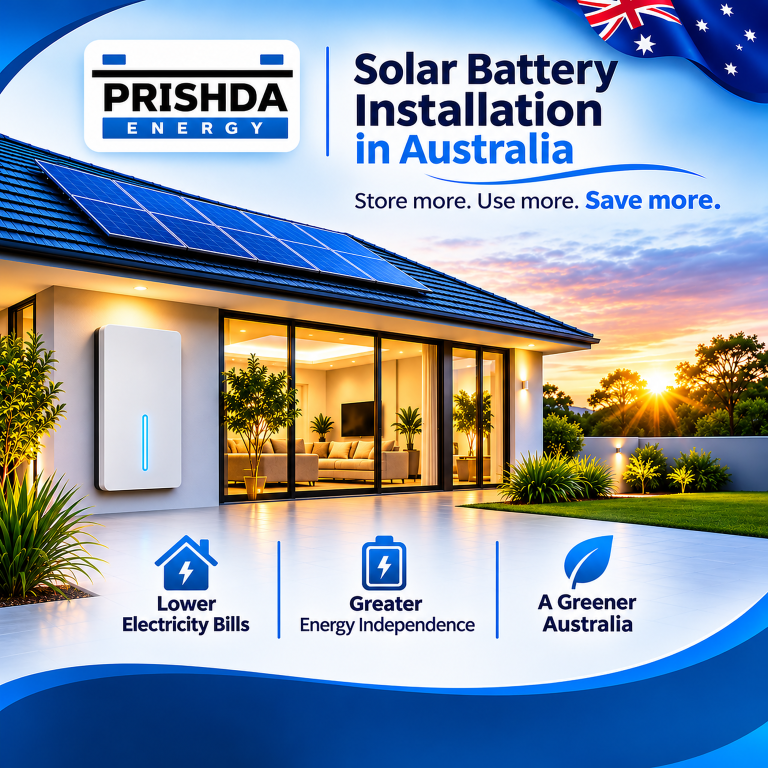
Prishda Energy stands out in the world of clean energy solutions. With its key focus on cutting-edge prismatic cell technology, the company is a leader. It skillfully combines this with advanced solar and backup systems to set new energy storage standards.
Prishda Energy leads the way with innovative EV charging innovations. It harnesses prismatic cells’ high storage capabilities, and this dedication drives it towards a cleaner and sustainable future.
Let’s explore how prismatic cells boost energy system performance and reliability:
· Prishda Energy stands at the forefront of prismatic cell advancement, pioneering clean energy solutions that directly impact the future of sustainable technology. As electric vehicles (EVs) gain traction, Prishda Energy’s innovations in EV charging are crucial to supporting this growing demand. The integration of silicon carbide and ultra-high-temperature ceramics significantly enhances thermal resistance, ensuring that our prismatic cells operate efficiently under extreme conditions.
· Moreover, our commitment to advancing battery technology is evident in our use of advanced polymer matrix formulations and fused silica powder, which optimize performance and longevity. This meticulous attention to materials not only boosts the efficiency of energy storage but also solidifies Prishda Energy’s holistic renewable energy approach. We are dedicated to offering complete, high-quality energy solutions that empower consumers while fostering a greener planet. In choosing Prishda Energy, you’re not just investing in cutting-edge technology; you’re joining a movement toward a sustainable future powered by innovation and integrity.
Conclusion
In conclusion, Prishda Energy’s LiFePO4 prismatic cells signify a transformative leap in modern battery systems. With energy densities ranging from 250 to 693 Wh/L, these cells not only deliver impressive power but also excel in efficiency. Their charge and discharge rates, hovering between 80% to 90%, ensure that users can rely on consistent performance without significant energy loss.
Moreover, the low self-discharge rate of only 0.35% to 2.5% per month guarantees that stored energy remains accessible when needed most, making them an ideal choice for various applications—from electric vehicles to renewable energy storage solutions. Coupled with their remarkable lifespan of 400 to 1,200 cycles, Prishda Energy’s prismatic cells provide a sustainable and economical option for those looking to invest in long-lasting battery technology.